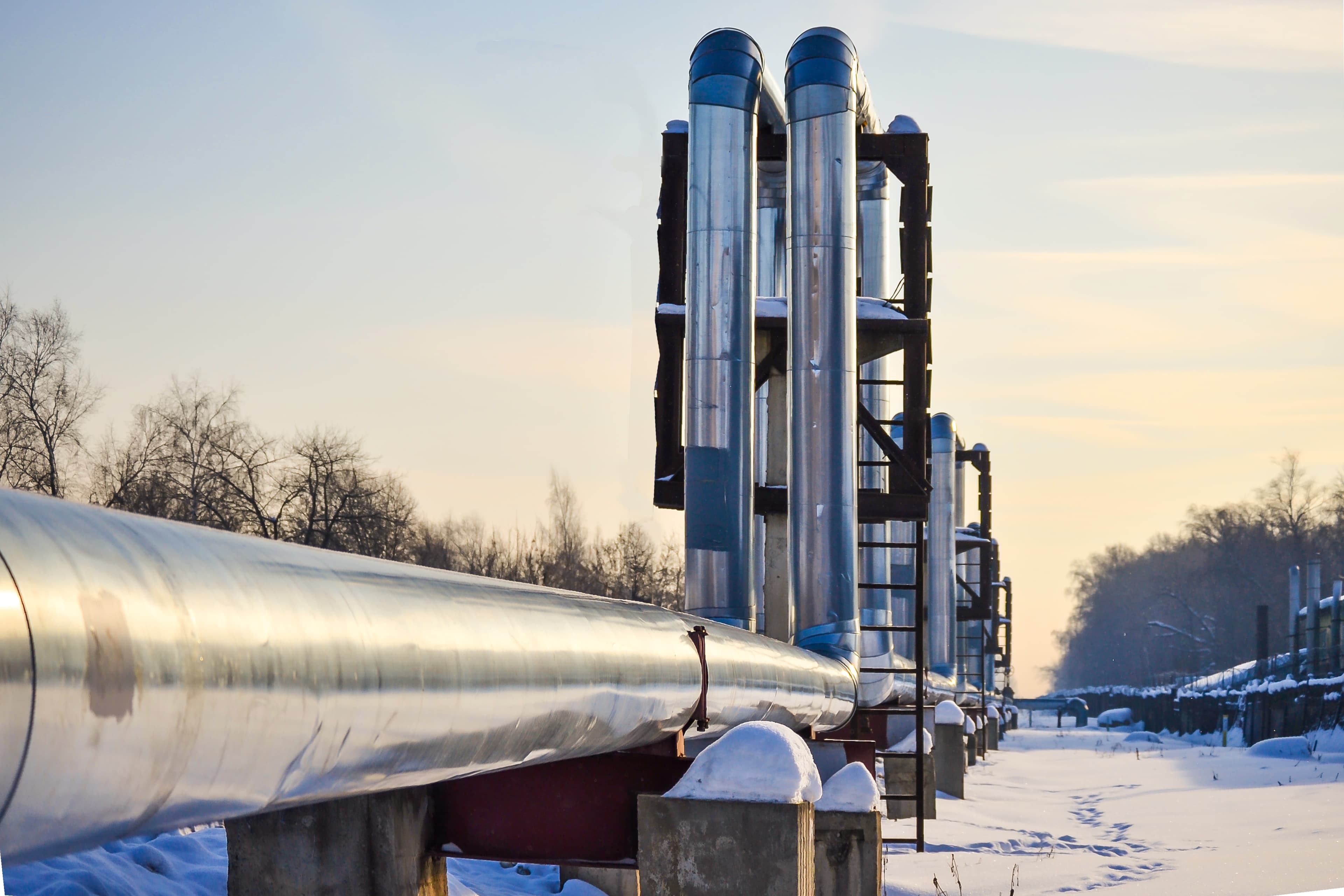
Renewable Power
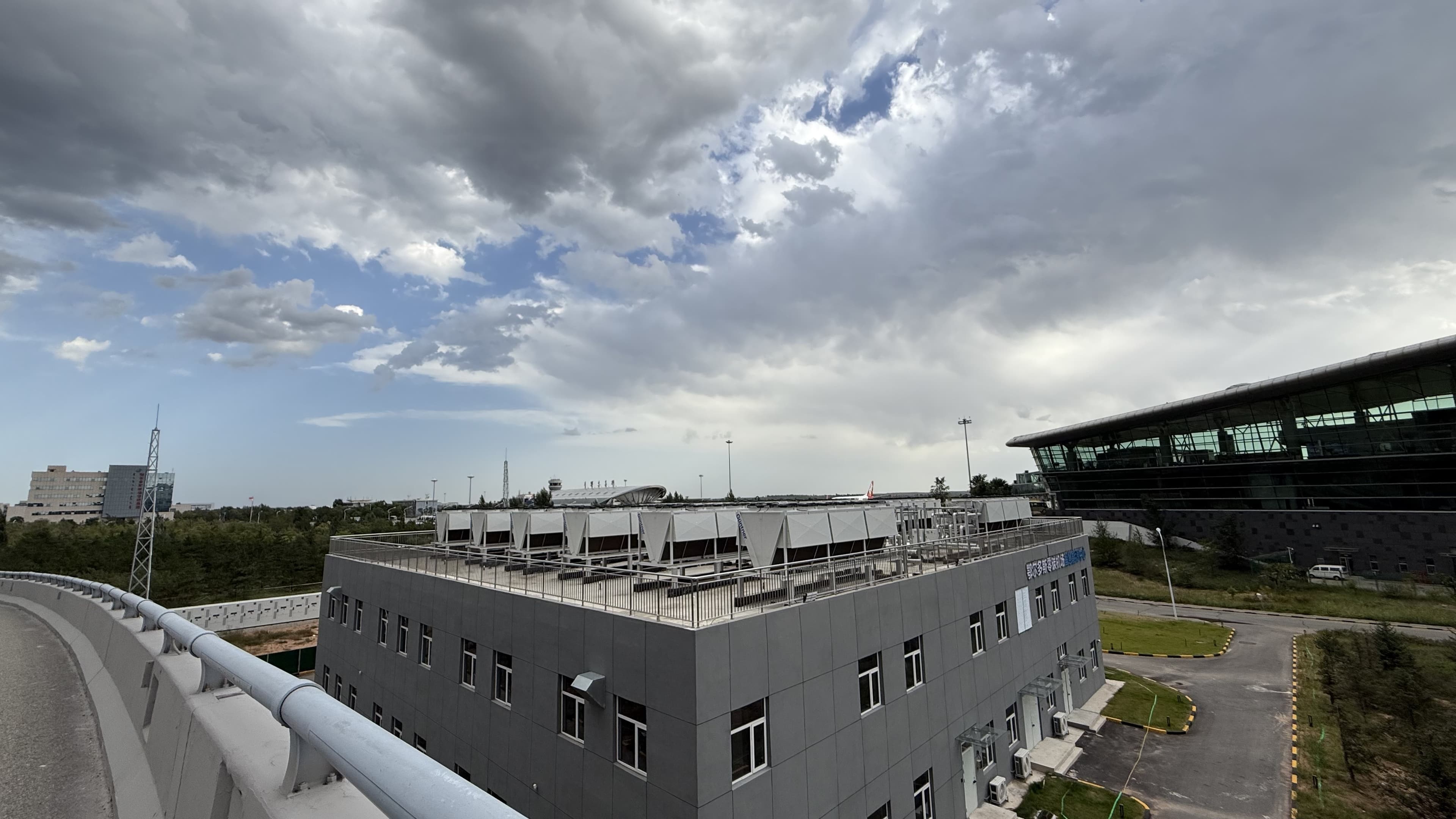
Cooling systems protecting transformers, converters and other electrical infrastructure that support renewable energy generation and grid stability.
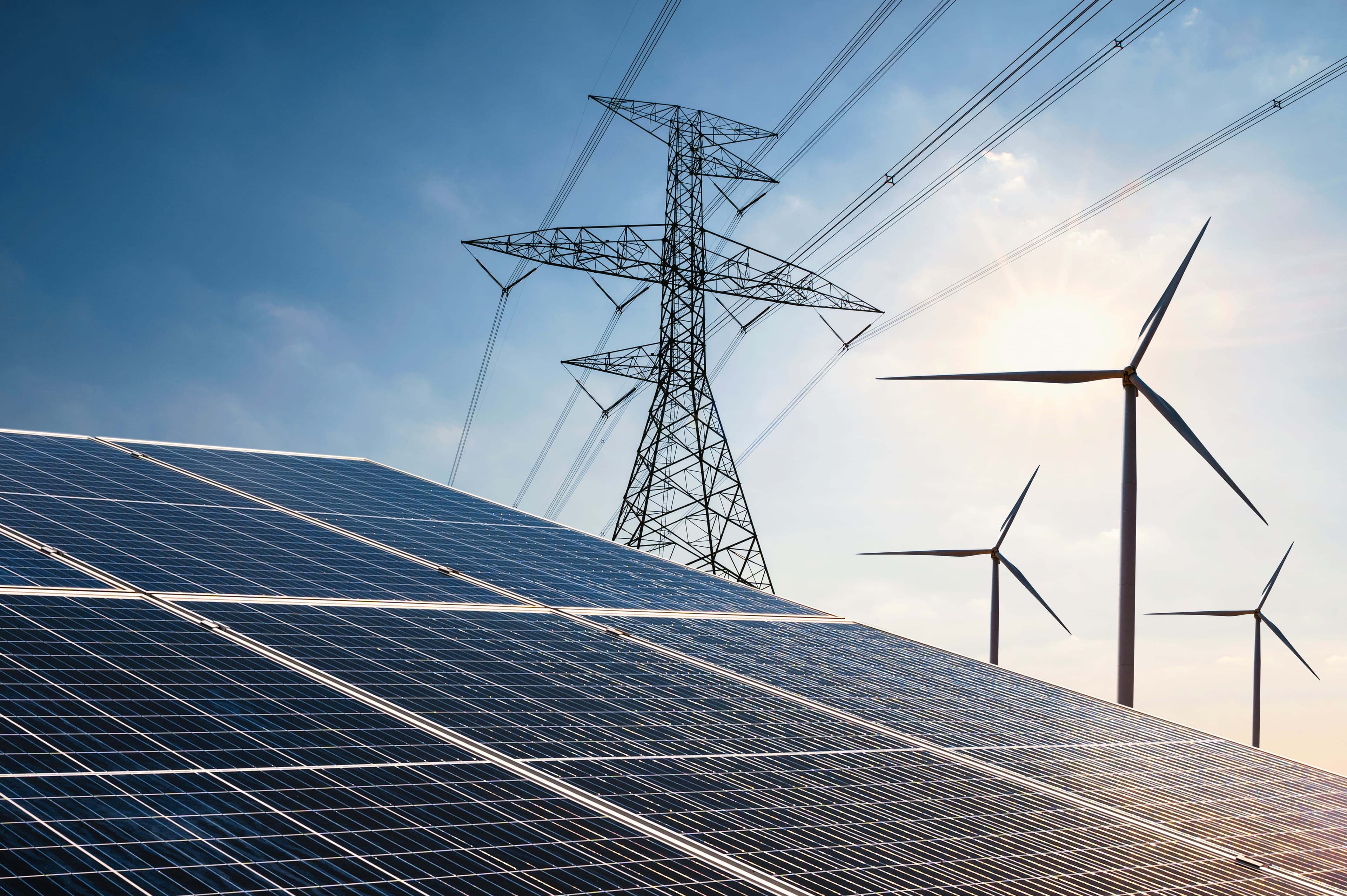
Renewable energy facilities rely on stable thermal conditions to protect performance, efficiency optimization, and long-term operational safety, especially in remote operation.
Variable load conditions and high electrical currents create heat that must be rejected in transformers and other electrical equipment, threatening grid stability if cooling is not properly managed.
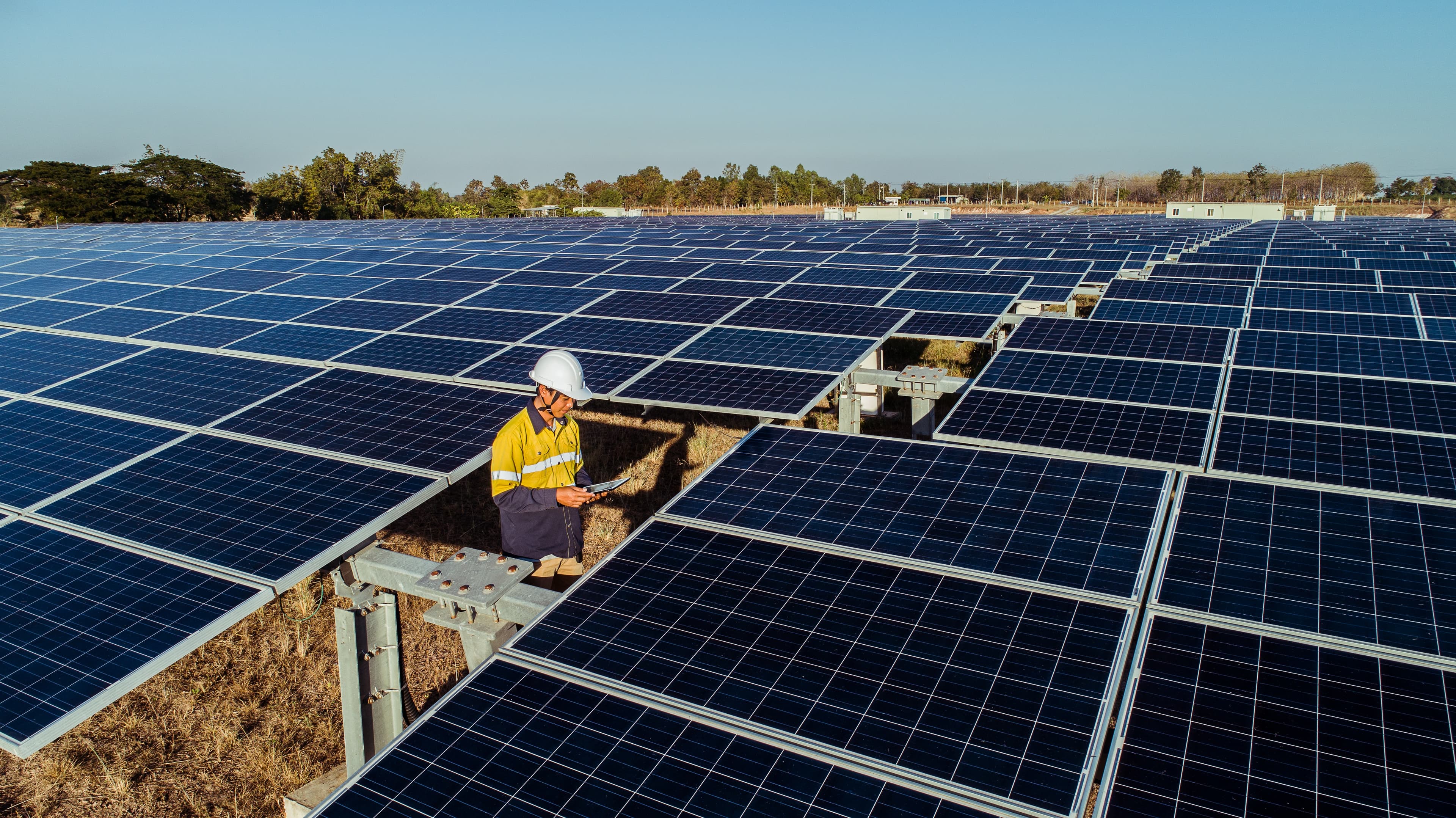
Cooling systems consume energy themselves, and inefficient designs reduce the overall efficiency of renewable generation and increase the total cost of ownership.
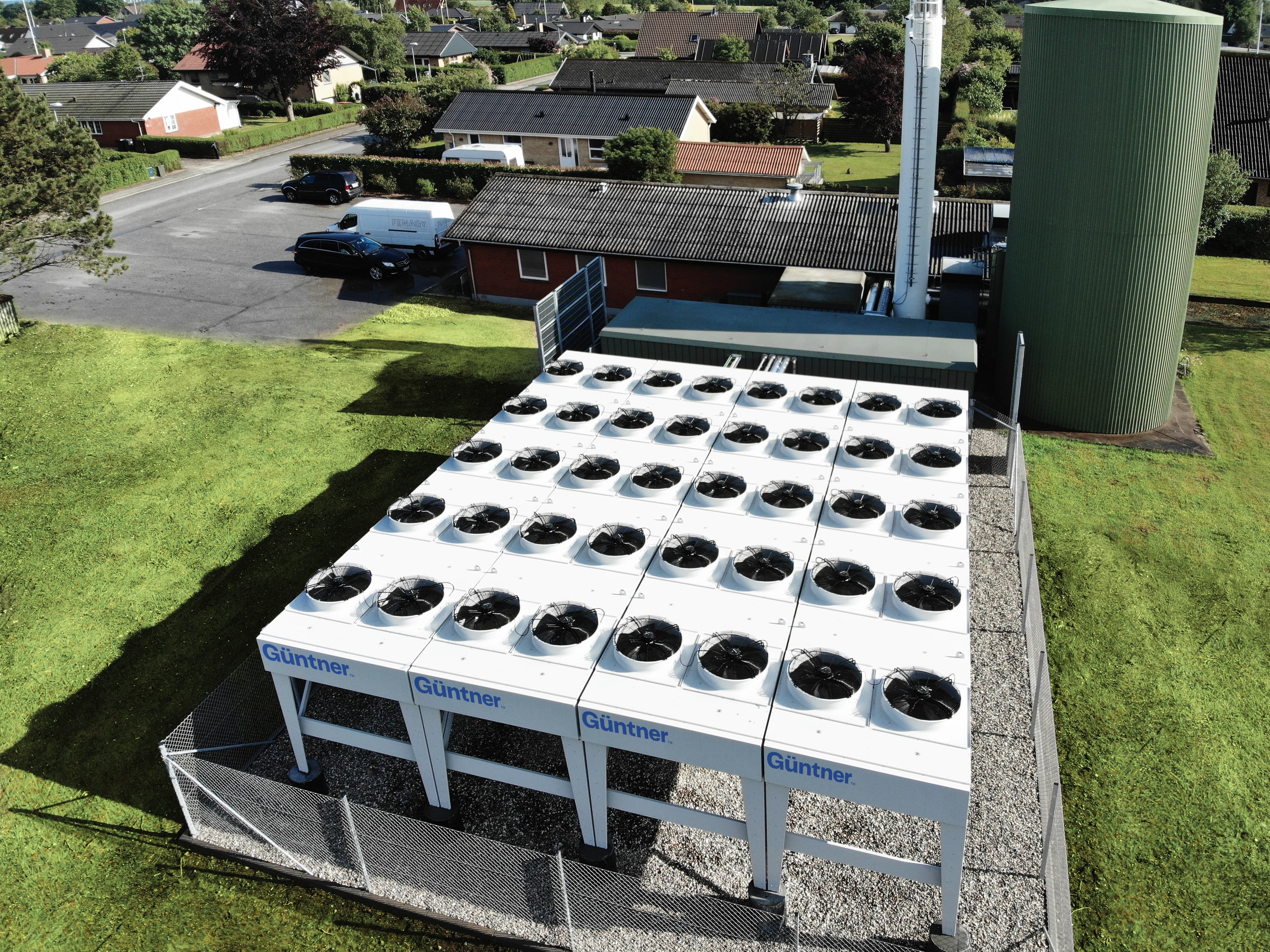
Renewable assets often operate in remote locations where limited maintenance access makes reliability essential.
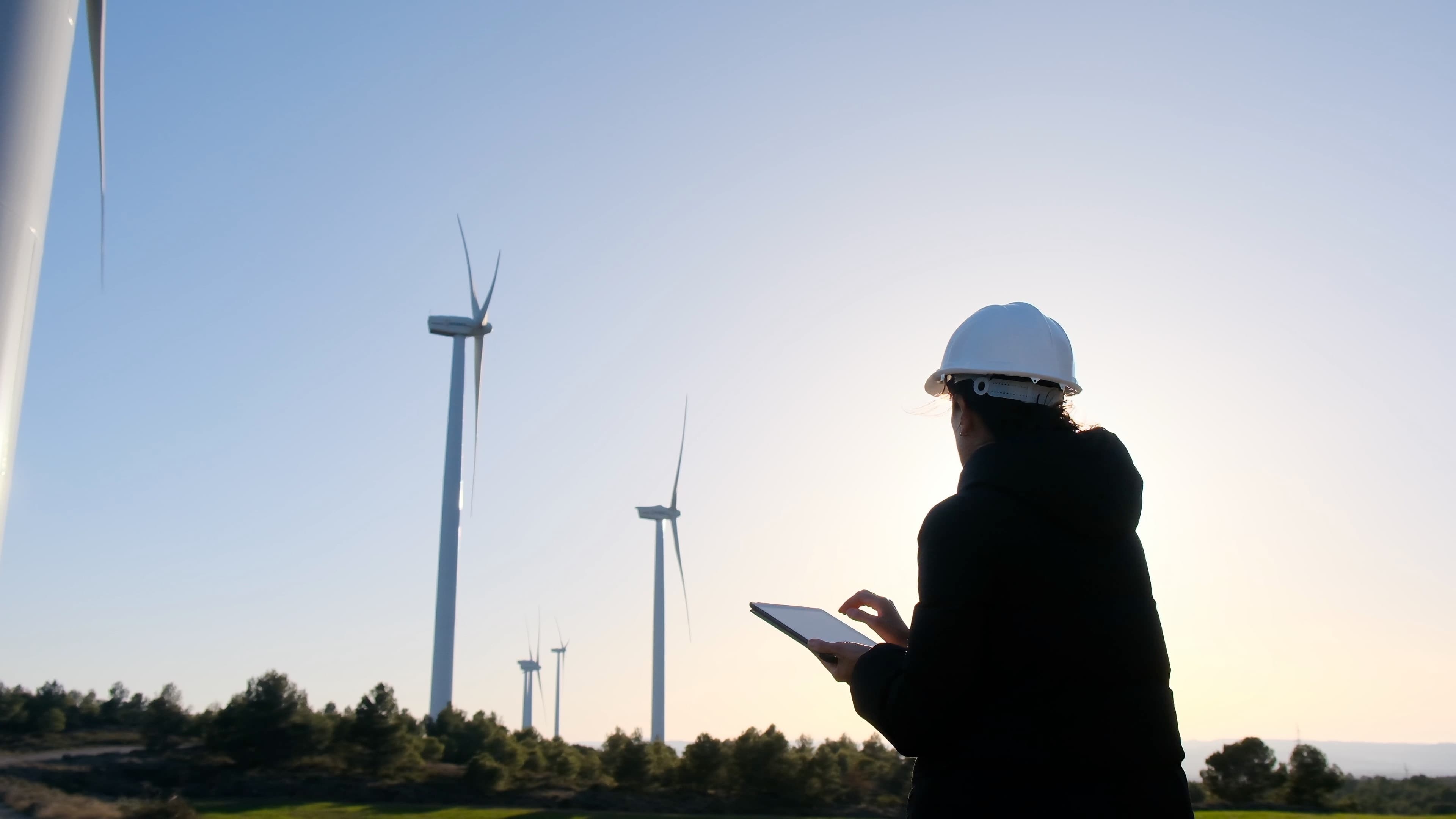
Renewable infrastructure is built for decades of operation, demanding cooling systems engineered for lifecycle reliability.
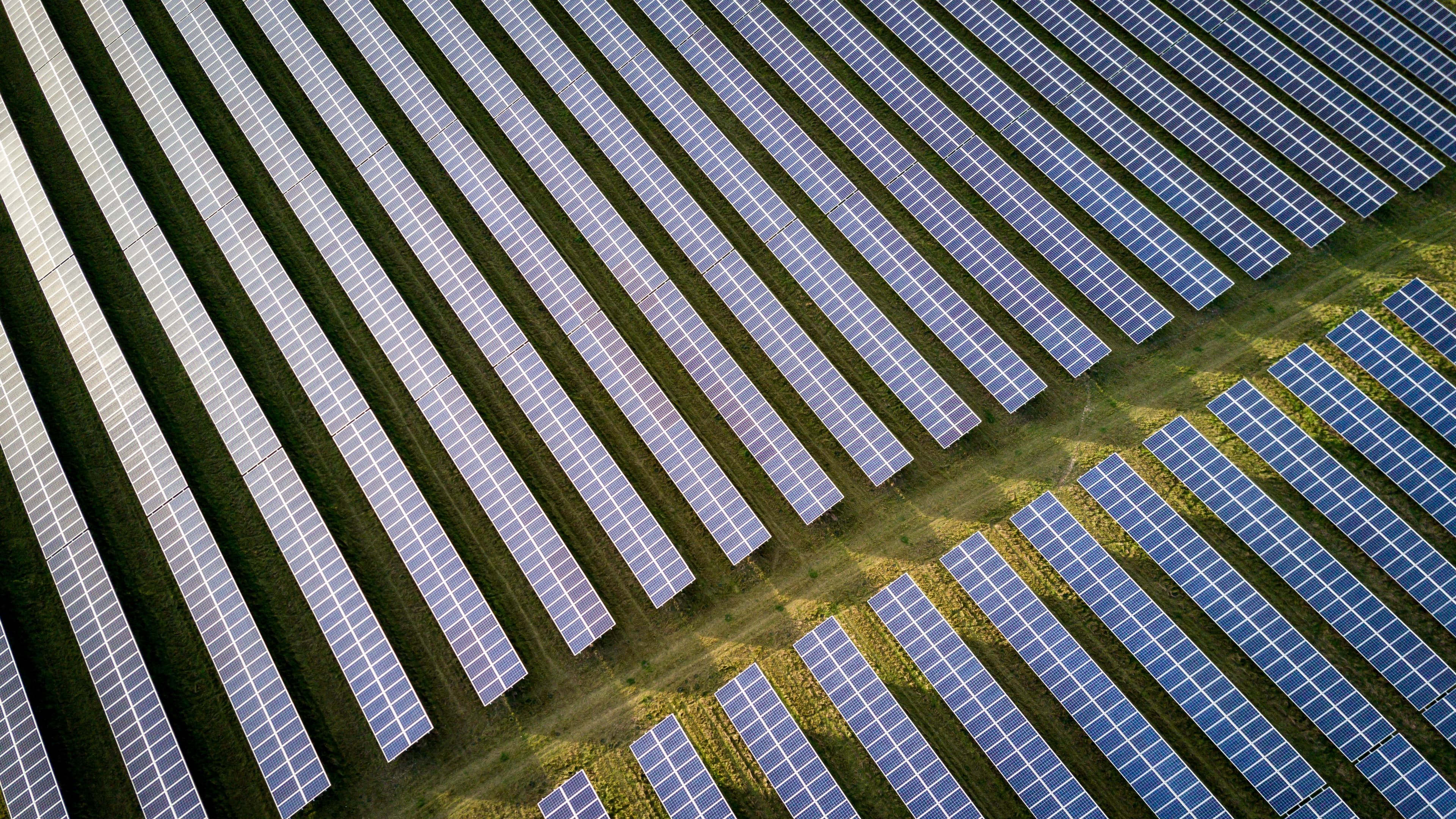
When it comes to renewable energy infrastructure, cooling systems must be aligned before construction begins. Design decisions must account for project variables such as site location, efficiency targets, and required heat rejection capacity.
Güntner experts work alongside engineers at the specification stage, helping ensure cooling systems integrate correctly and perform reliably throughout operation and across the full system lifecycle. The result is confident integration that performs across the lifecycle and supports predictable total cost of ownership.
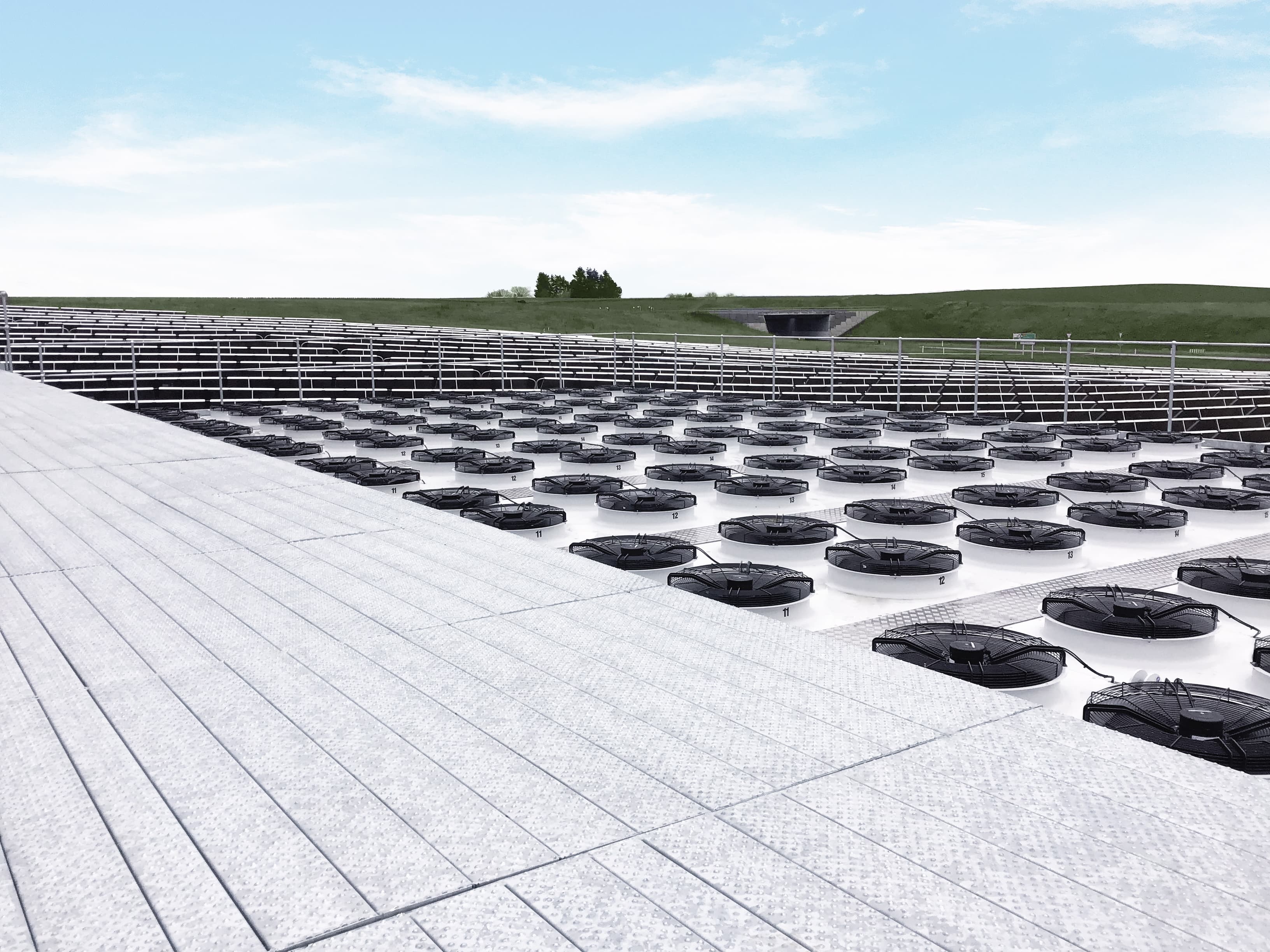
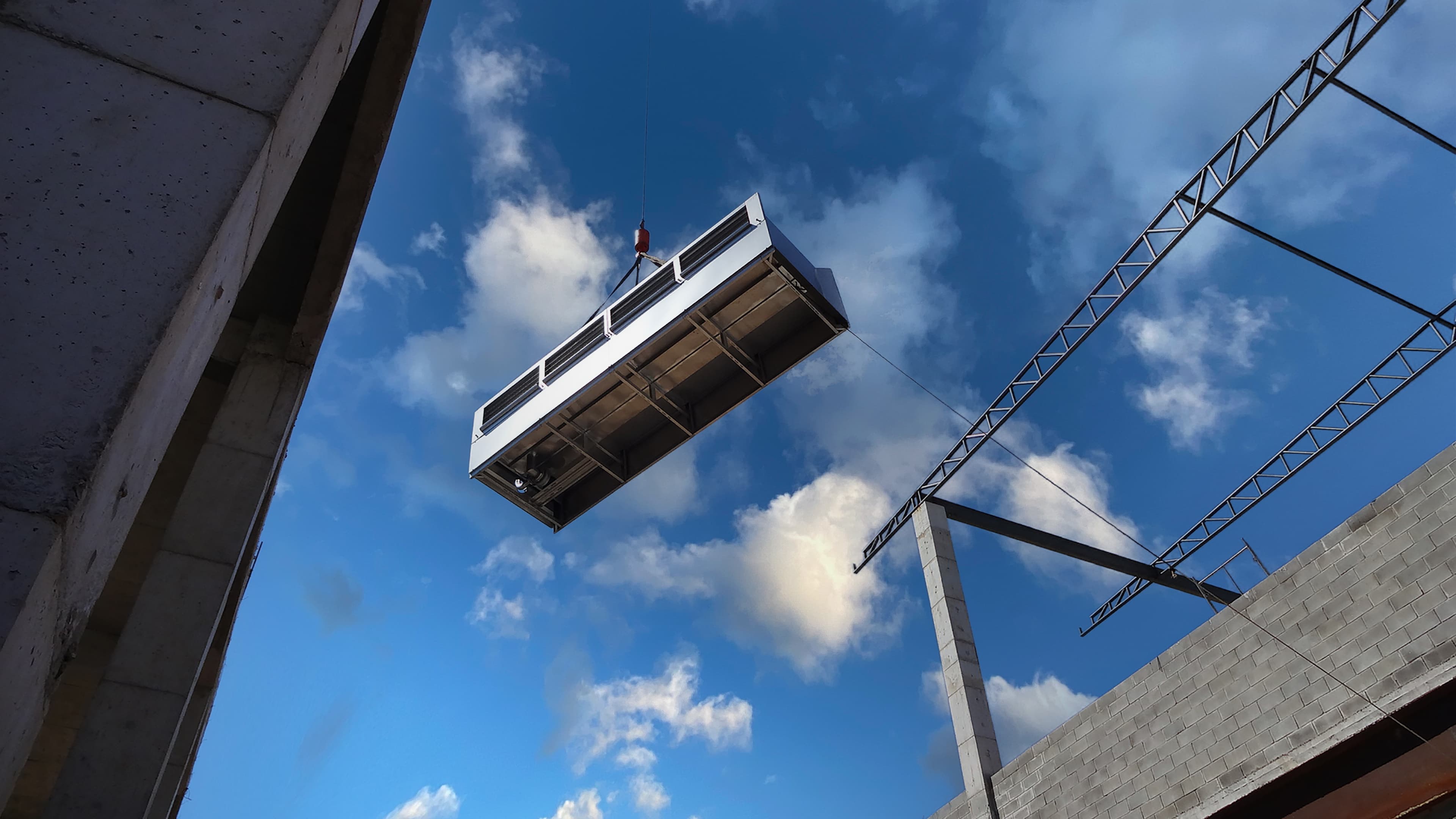
Fluctuating loads under variable ambient conditions place constant thermal stress on power electronics, inverters, transformers, and energy storage systems (BESS). Cooling infrastructure must maintain stable operation and support efficient energy generation under these fluctuations and ambient extremes.
Güntner solutions combine advanced heat exchange engineering with intelligent system controls to maintain reliable output in real operating environments. With aicore™ air control, optimizing energy use while maintaining precise thermal stability. In high ambient conditions, hydroBLU™ adiabatic cooling enhances heat rejection capacity while reducing water and energy consumption.
The result is cooling performance designed for renewable infrastructure — protecting efficiency, safety, and long-term reliability.
Cooling systems protecting transformers, converters and other electrical infrastructure that support renewable energy generation and grid stability.
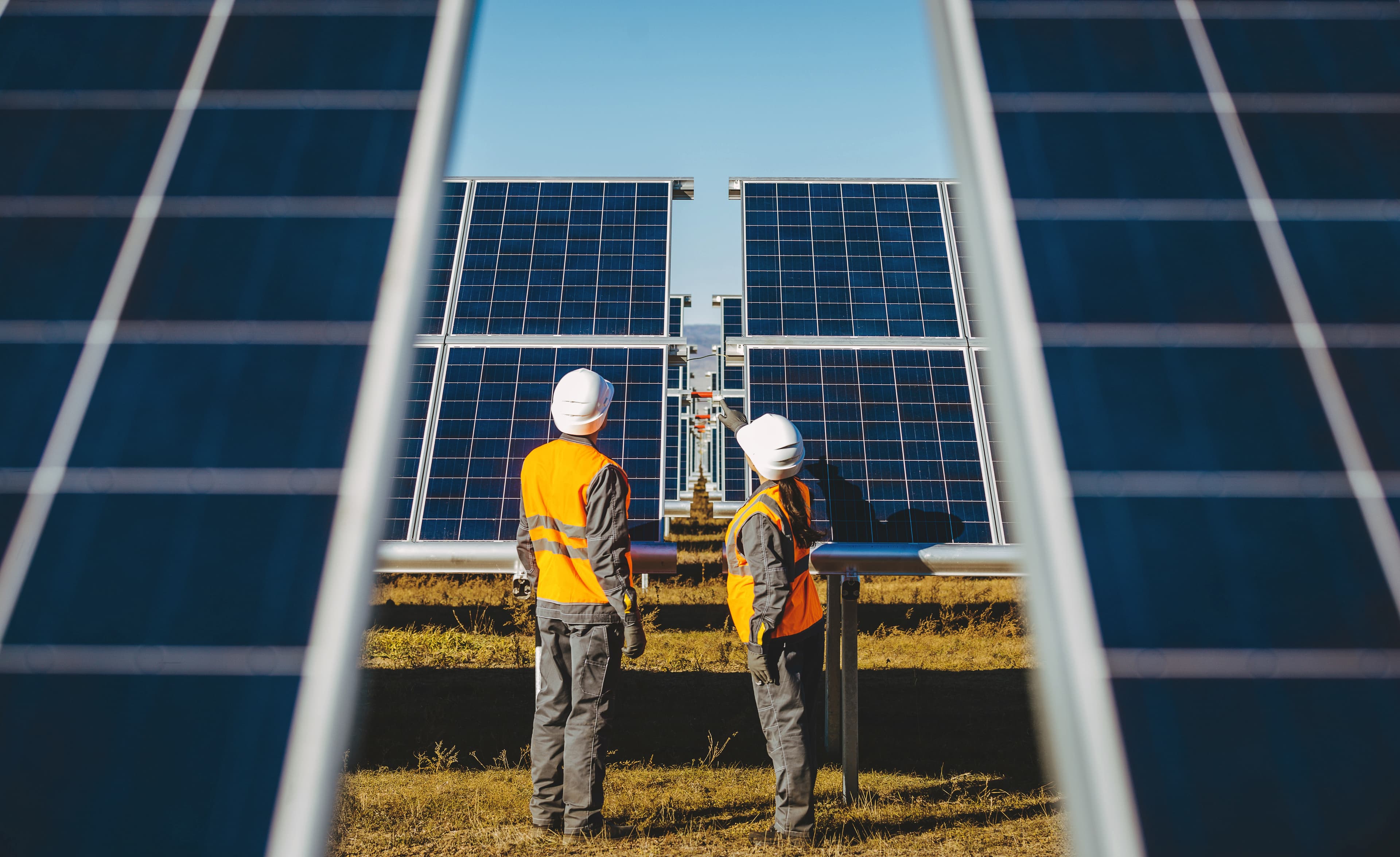
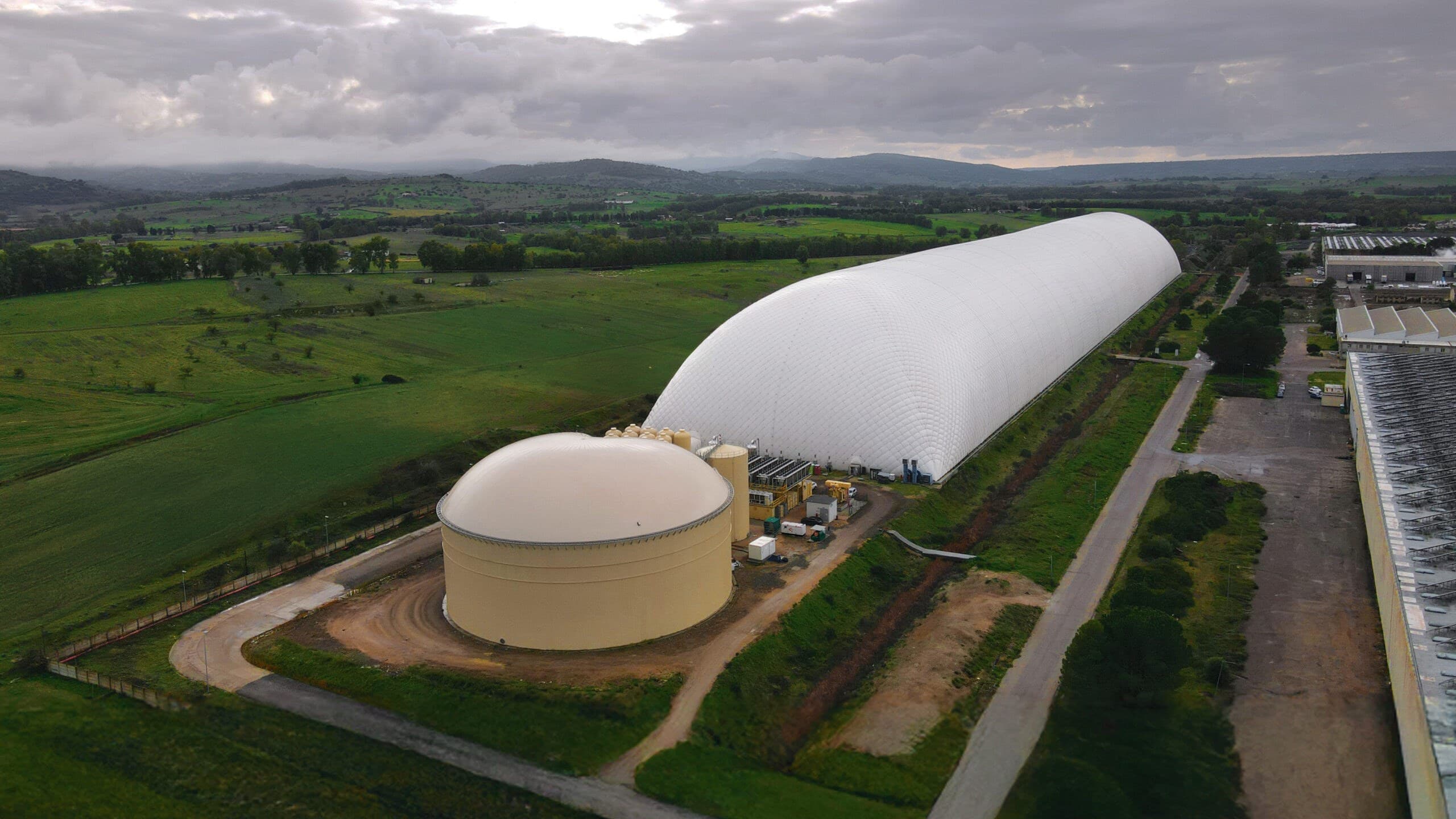
Heat dissipation systems that maintain consistent process temperatures, supporting stable and efficient operation of biogas generator sets.

Cooling systems supporting generators and electrical equipment in hydroelectric power plants.
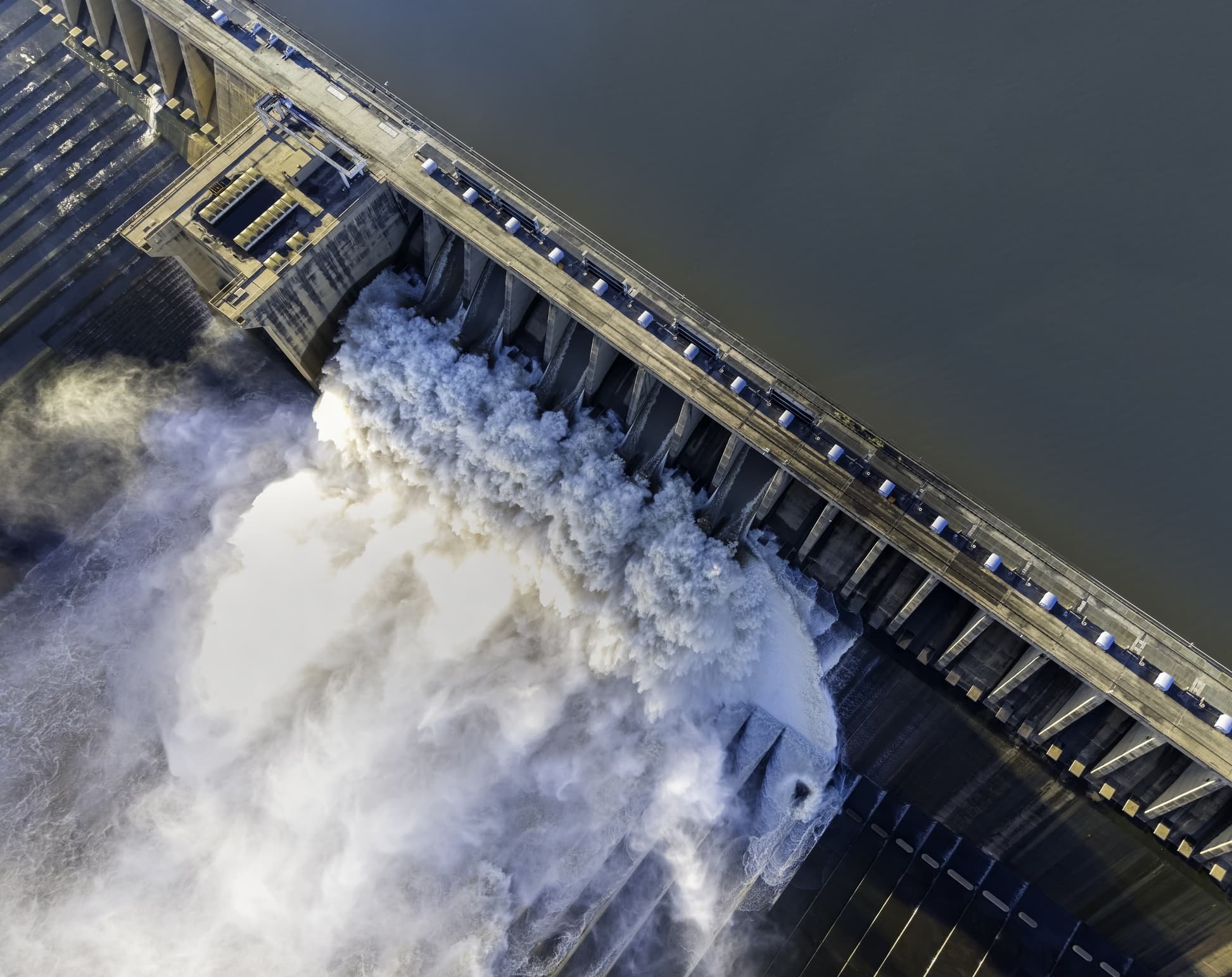
Cooling solutions for hydrogen production, providing reliable heat rejection for electrolyzers and compressors to support safe and efficient operation.
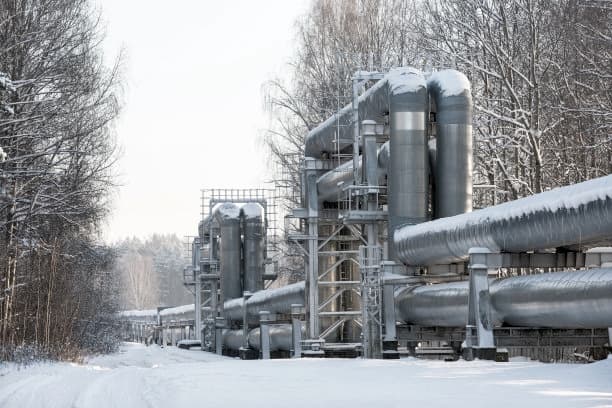
Cooling solutions that handle heat rejection for large-scale heat-pump projects in district energy and building applications, supporting efficient operation and decarbonization.
For over 95 years, Güntner has engineered heat exchange solutions that support stable, efficient operation across demanding energy infrastructure worldwide.
We engage early at specification to align cooling systems with renewable infrastructure, site conditions, and long-term performance requirements.
Precision-engineered heat exchange supports stable thermal conditions for power electronics, storage systems, and energy conversion equipment.
Worldwide manufacturing and local expertise ensure consistent standards across renewable projects and regions.
Strong warranties and responsive service teams protect performance well beyond commissioning.
Our renewable energy cooling portfolio combines air coolers, dry coolers and adiabatic systems engineered for power electronics cooling and energy storage systems (BESS), supporting reliable heat rejection, efficiency optimization and lifecycle reliability under variable load conditions and ambient extremes.
Usable in almost any setting, select the configuration that best suits your needs and the Cubic VARIO will keep everything cool.
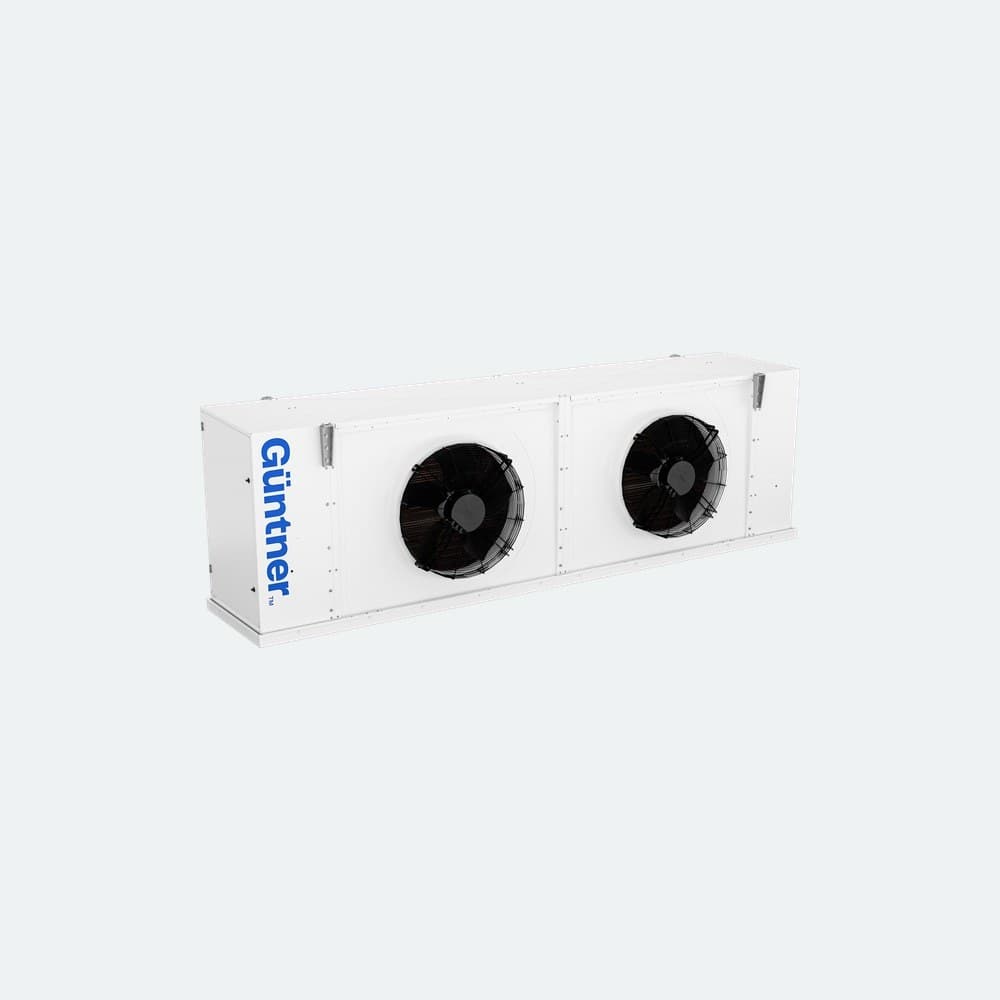
The Flat VARIO’s robust, horizontal design means you don’t have to worry about building regulations and height restrictions of your unit and it will be able to withstand all manner of weather conditions.
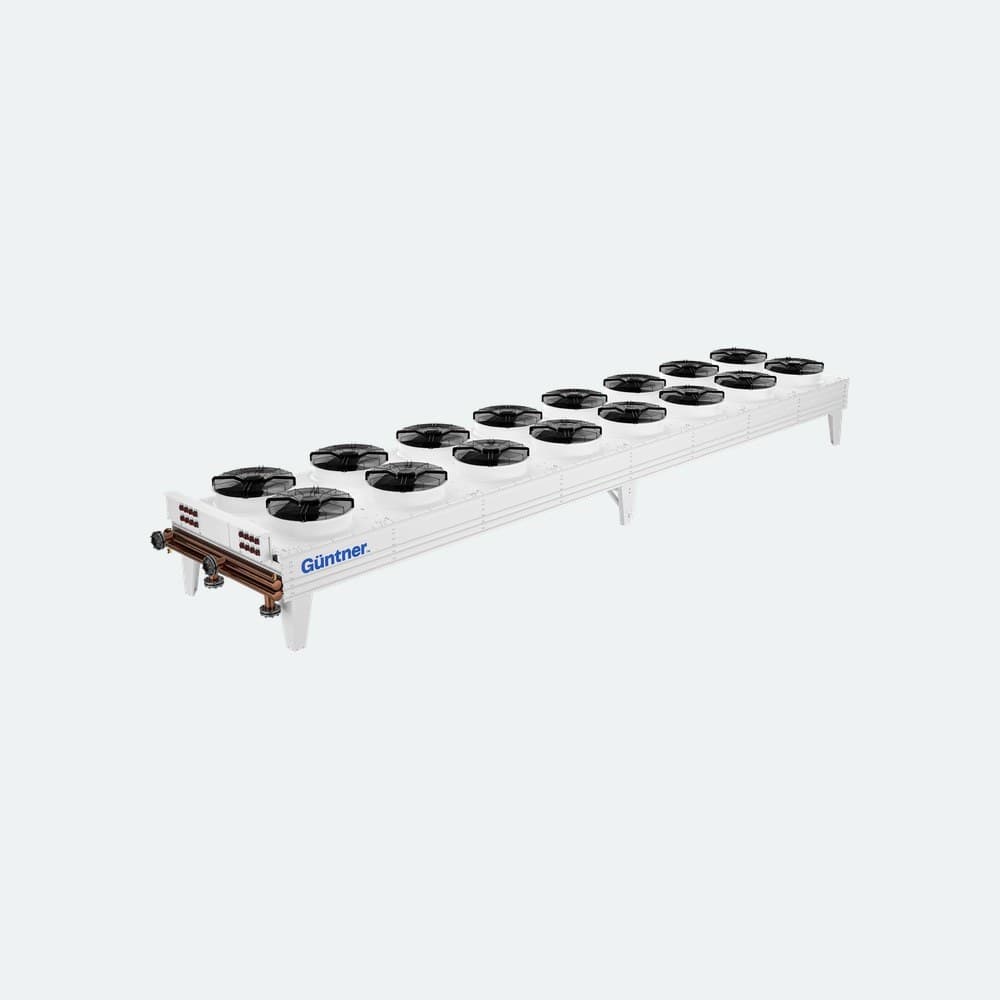
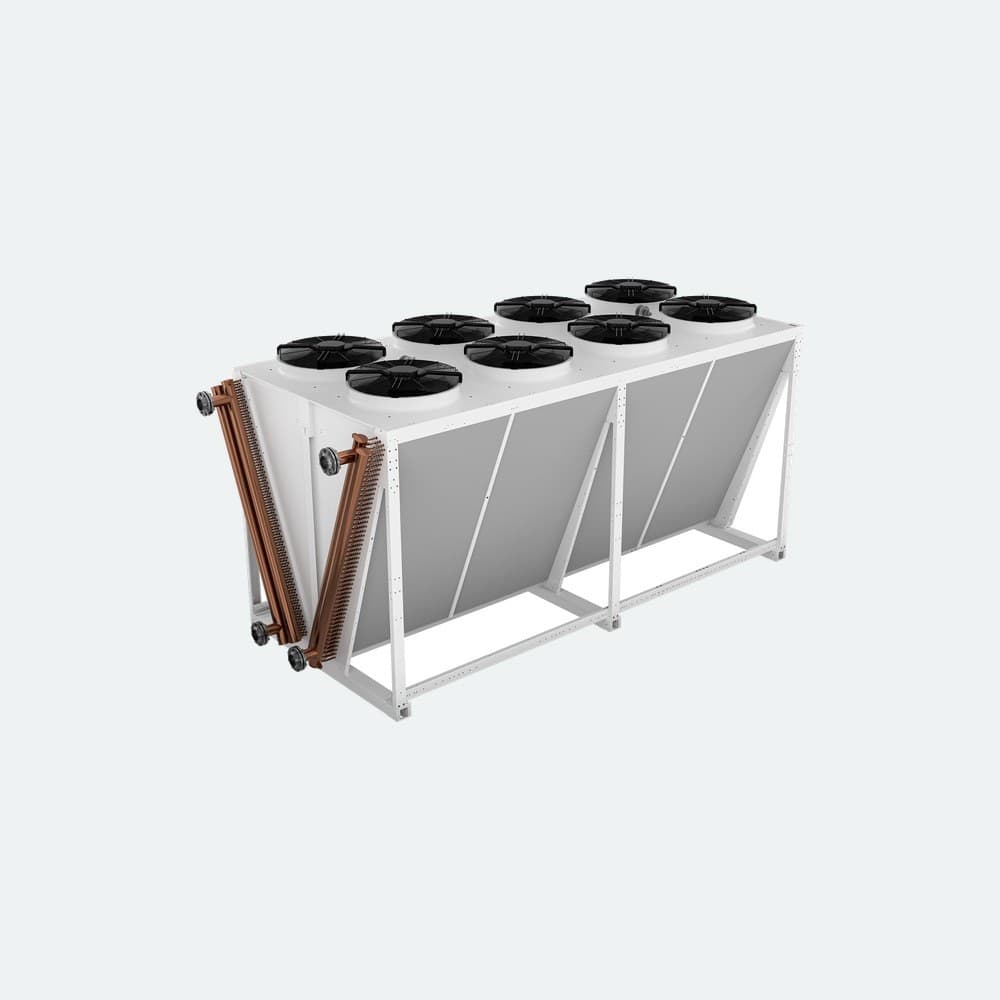
A cooling solution that’s configurable to meet your business’s needs, the dry cooler's v-shape design means it can be easily integrated into your building, offering maximum capacity with a minimal footprint.
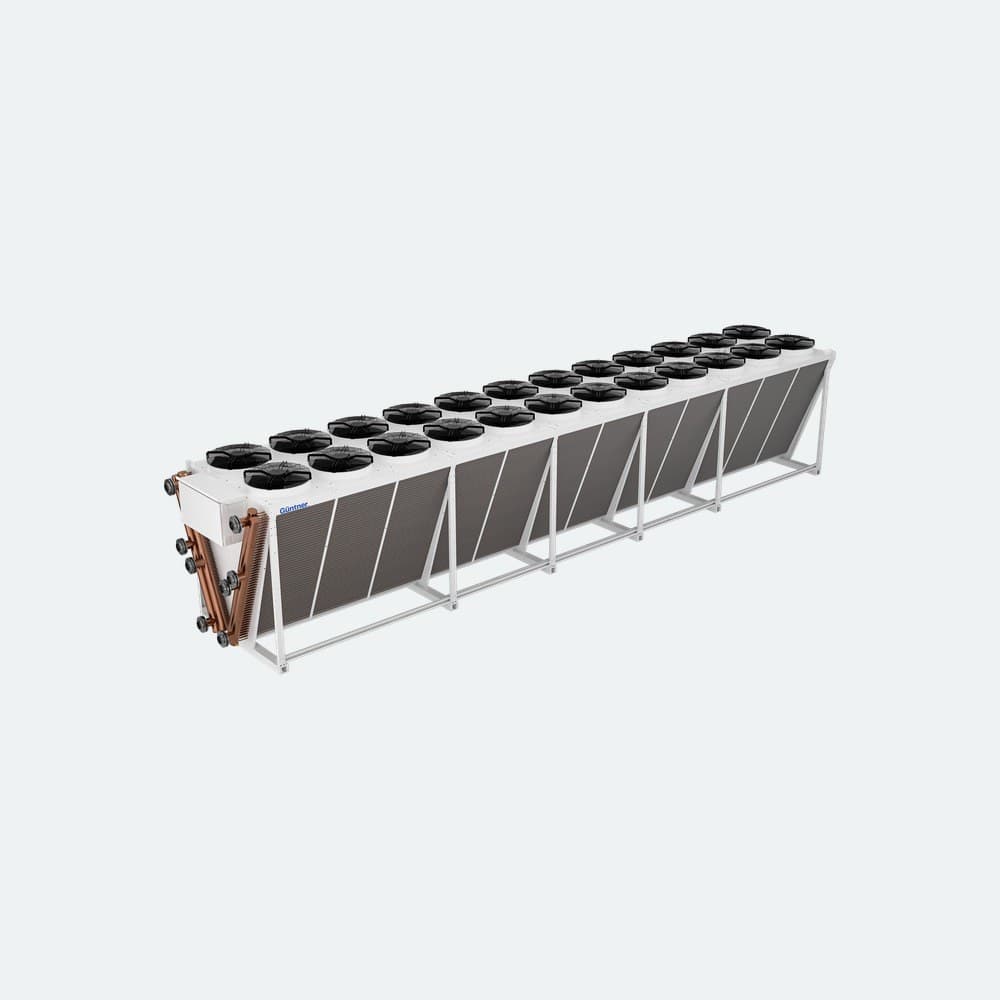
With a V-shaped cooler design for maximum capacity with a minimal footprint and a robust design to handle all types of weather conditions, this floor cooler model is as tough as they come.
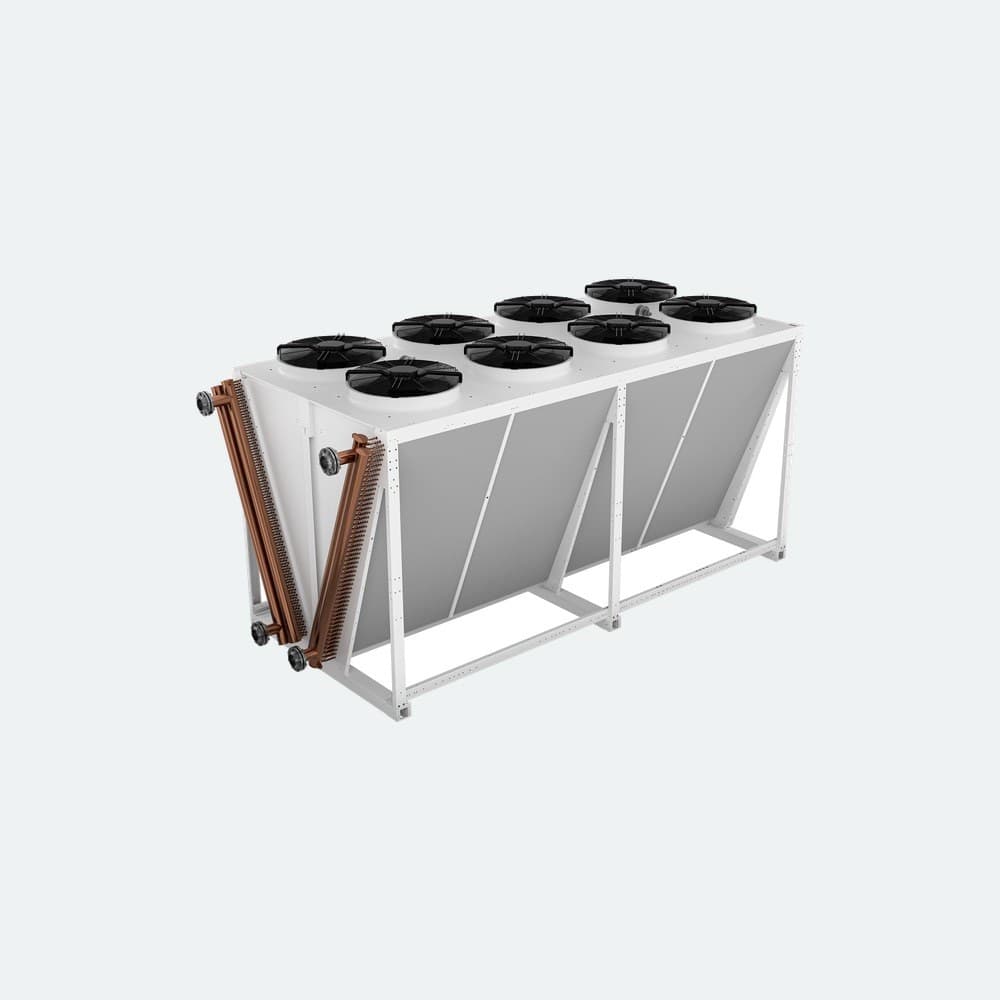
A cooling solution that’s configurable to meet your business’s needs, the dry cooler's v-shape design means it can be easily integrated into your building, offering maximum capacity with a minimal footprint.
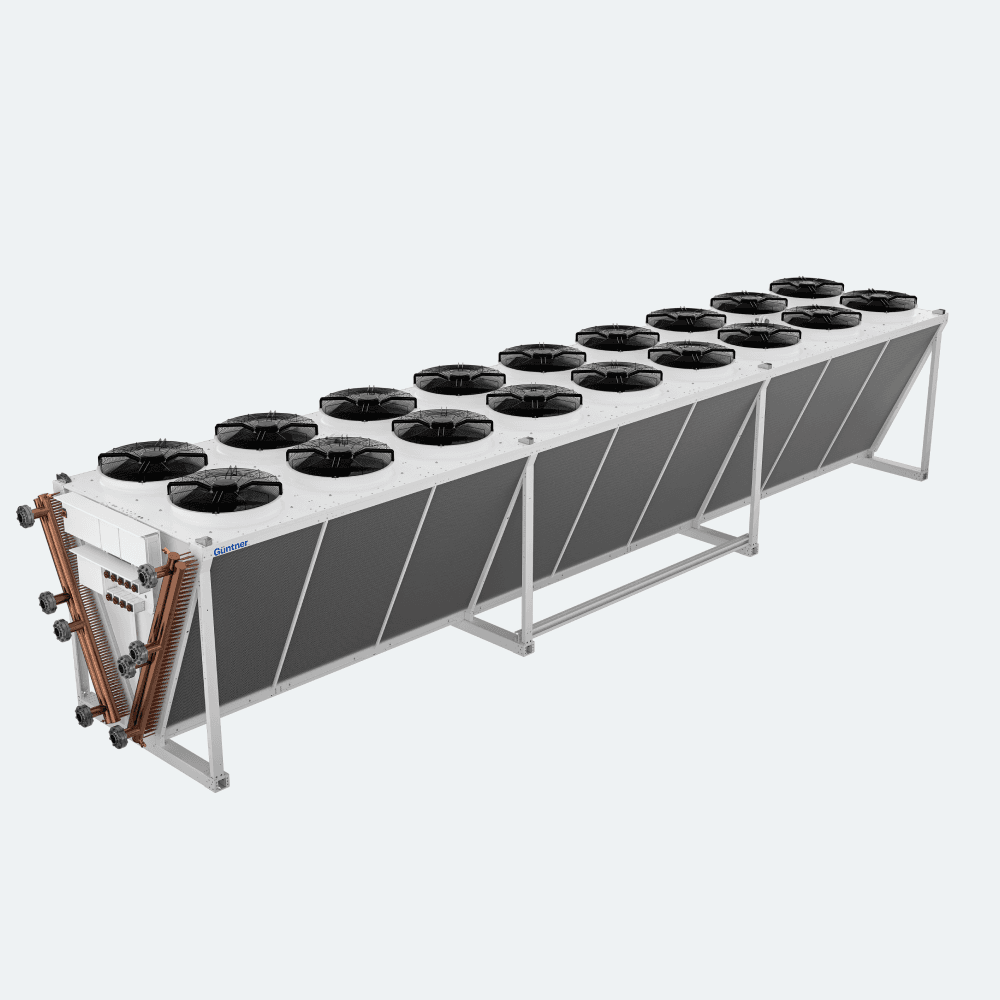
Fully configurable, the V-shape VARIO with hydroBLU™ is the best choice for areas with high ambient temperatures. It boasts the reliability and ease of use of a dry cooler with an intelligent adiabatic cooling solution.
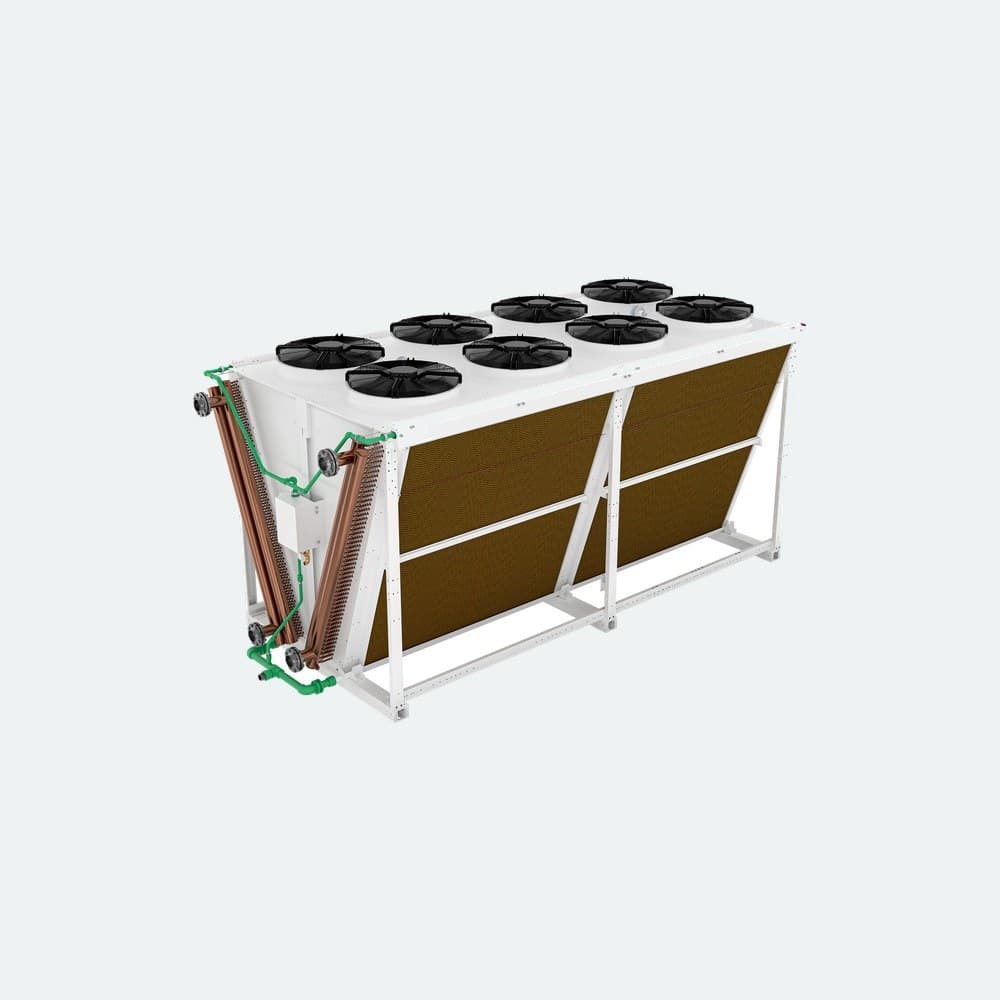
With its slim design, the Vertical COMPACT Condenser is ideal for use in commercial refrigeration & commercial HVAC and can be installed in a variety of applications.
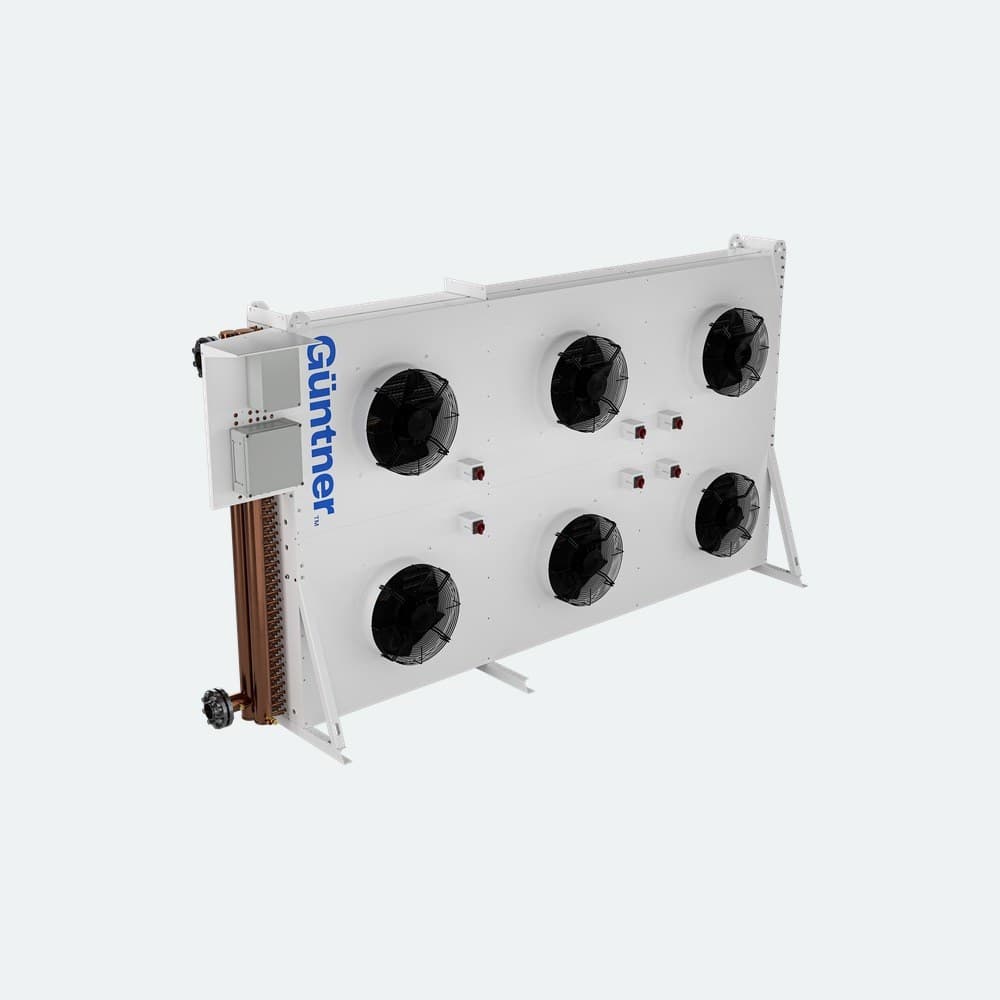
This high power silent Condenser & Gas Cooler is ideal for smaller, noise-sensitive environments, with an optional adiabatic cooling system for low water and energy consumption.
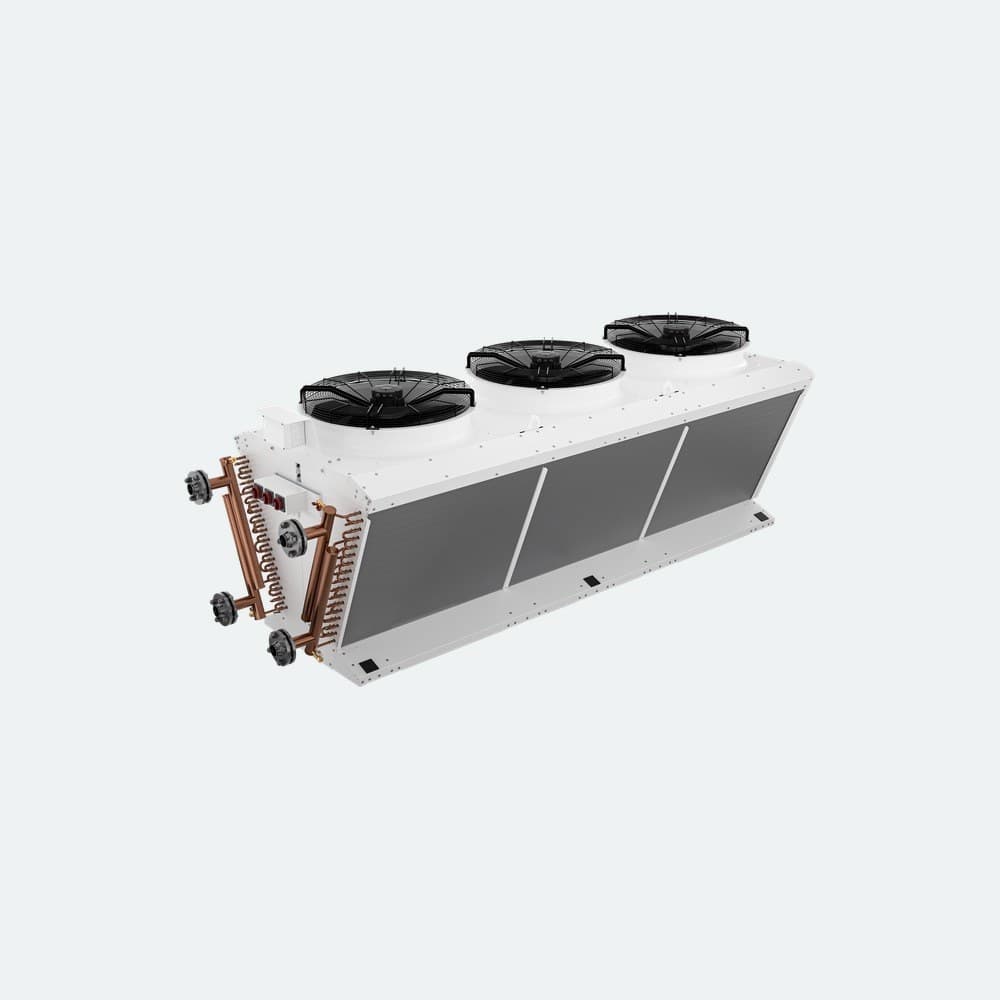
The ultimate choice for areas with high ambient temperatures, the V-shape COMPACT Condenser with hydroBLU™ comes with an intelligent adiabatic cooling solution.
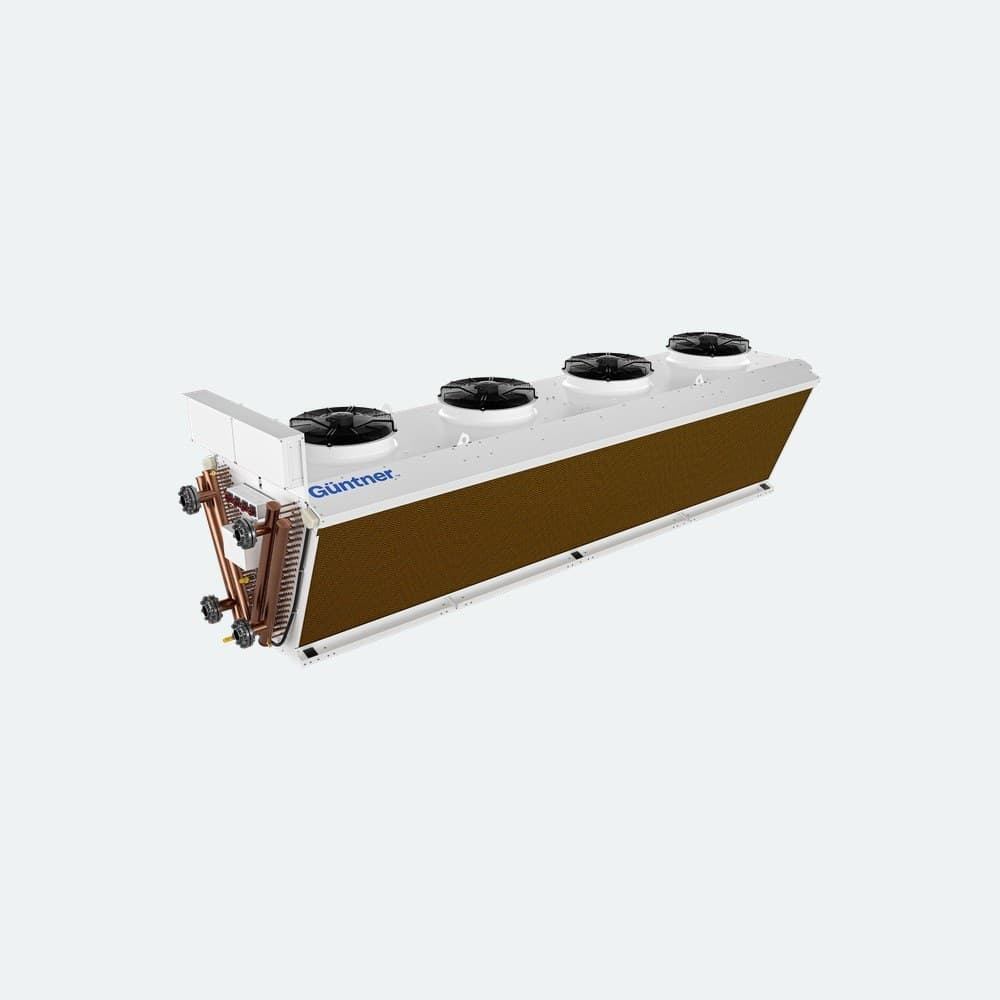
With a V-shape design for maximum capacity with minimal footprint, and a robust design to handle all types of weather conditions, this model is as robust as they come.
Fully configurable, the V-shape VARIO Condenser with hydroBLU™ is the best choice for areas with extreme temperatures. It comes with an intelligent adiabatic cooling solution, too.