Pushing The Boundaries Of Earth Observation
“Space is tough,” says Josef Aschbacher, Director General of the European Space Agency (ESA). “Space is rocket science. Literally.”
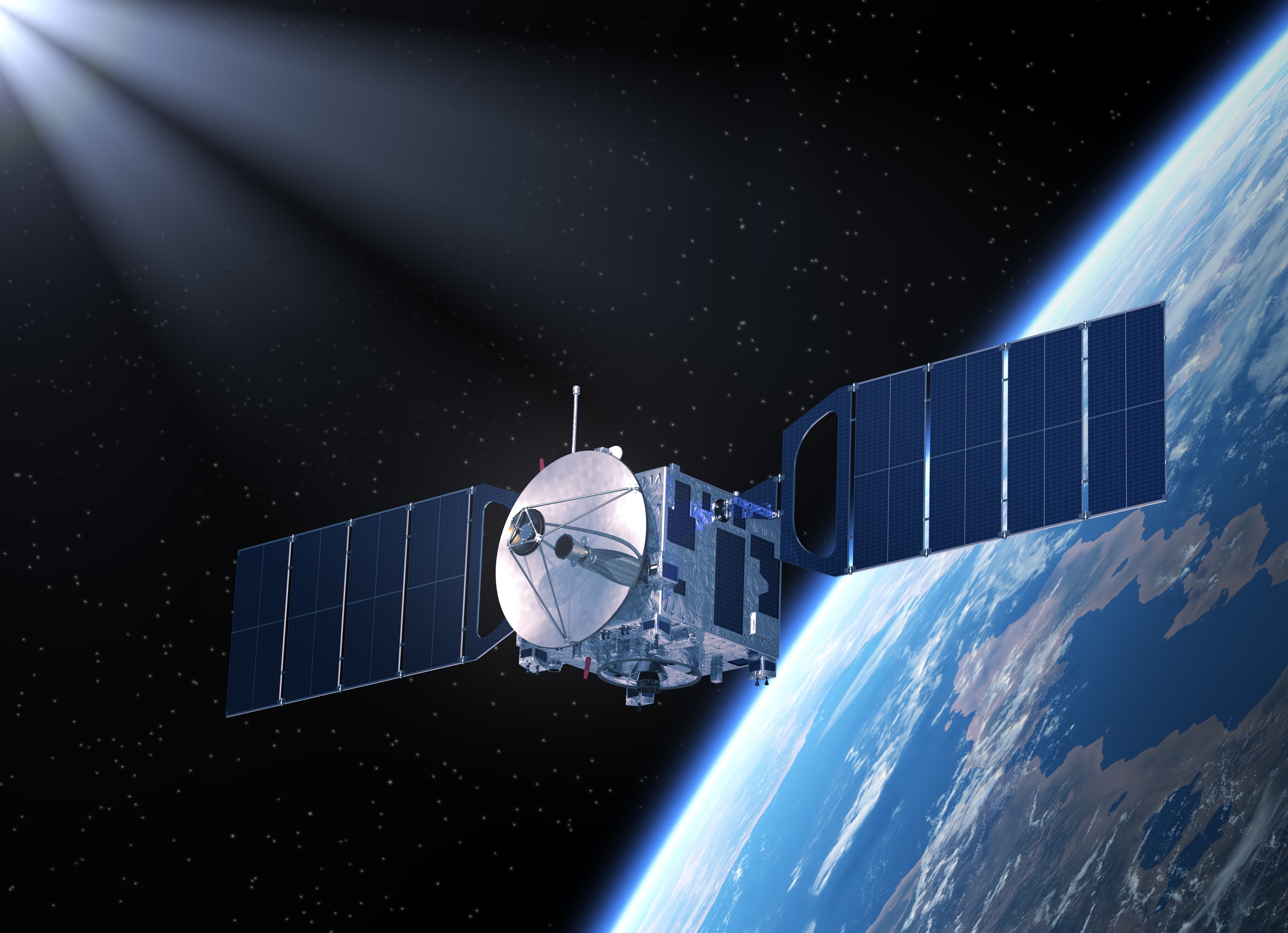
ESA is an intergovernmental agency with 23 member states that’s been exploring space and observing our own planet for more than half a century. Its Copernicus satellites orbit the Earth sending back huge amounts of data: currently 300 terabytes a day and forecast to be 10 times that in the coming years.
The data is used to provide information to improve the lives of people in Europe. But to properly analyze it requires huge processing power. Which is why, a few years ago, ESA began planning the construction of its very own supercomputer: Space HPC.
Cooling IT processes
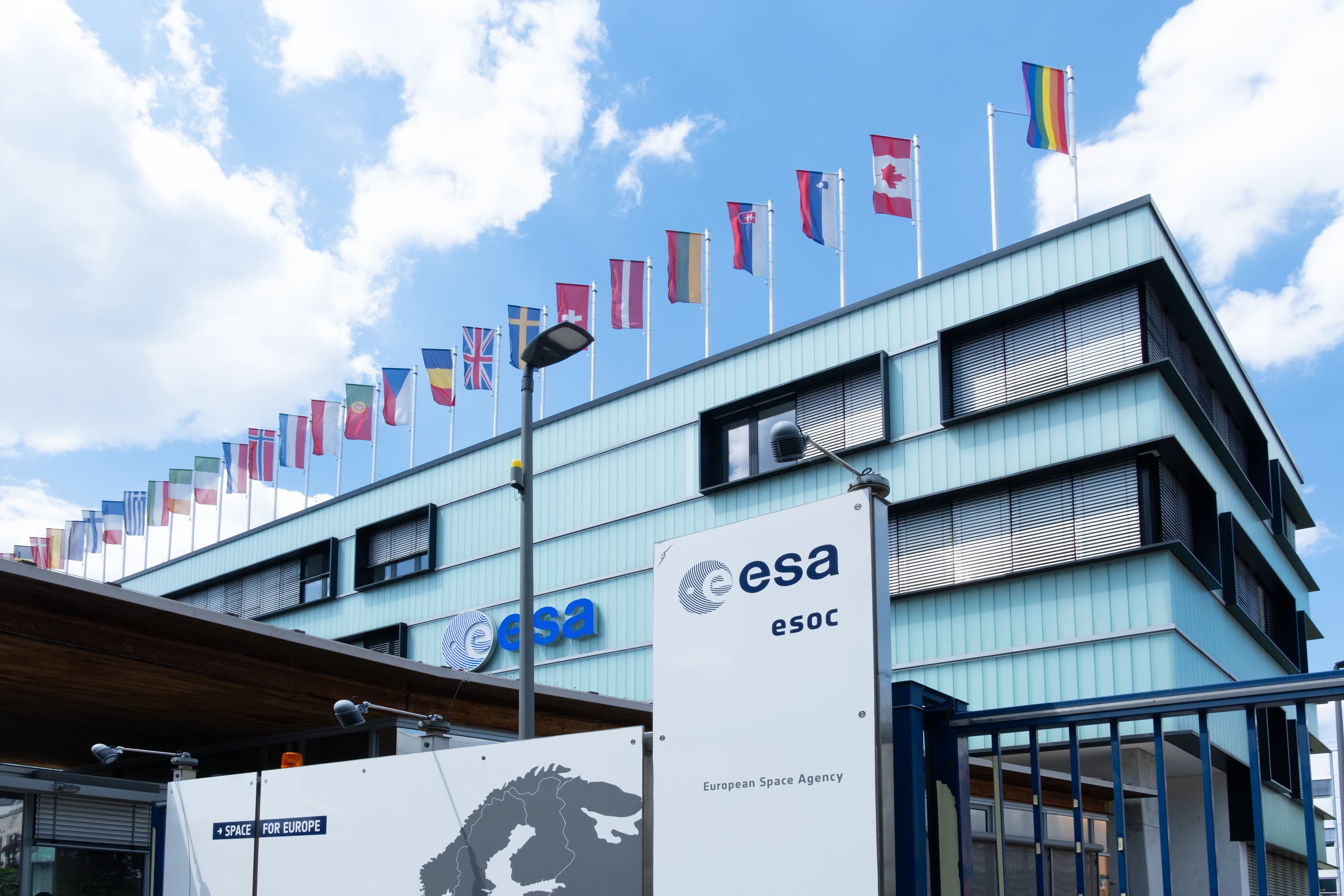
In March 2025, Space HPC was unveiled at ESA’s Centre for Earth Observation in Rome. Delivered in partnership with Hewlett Packard Enterprise (HPE), it’s designed to process massive datasets, run complex simulations, and accelerate AI applications. It is available not only to ESA but also to external industrial players and researchers.
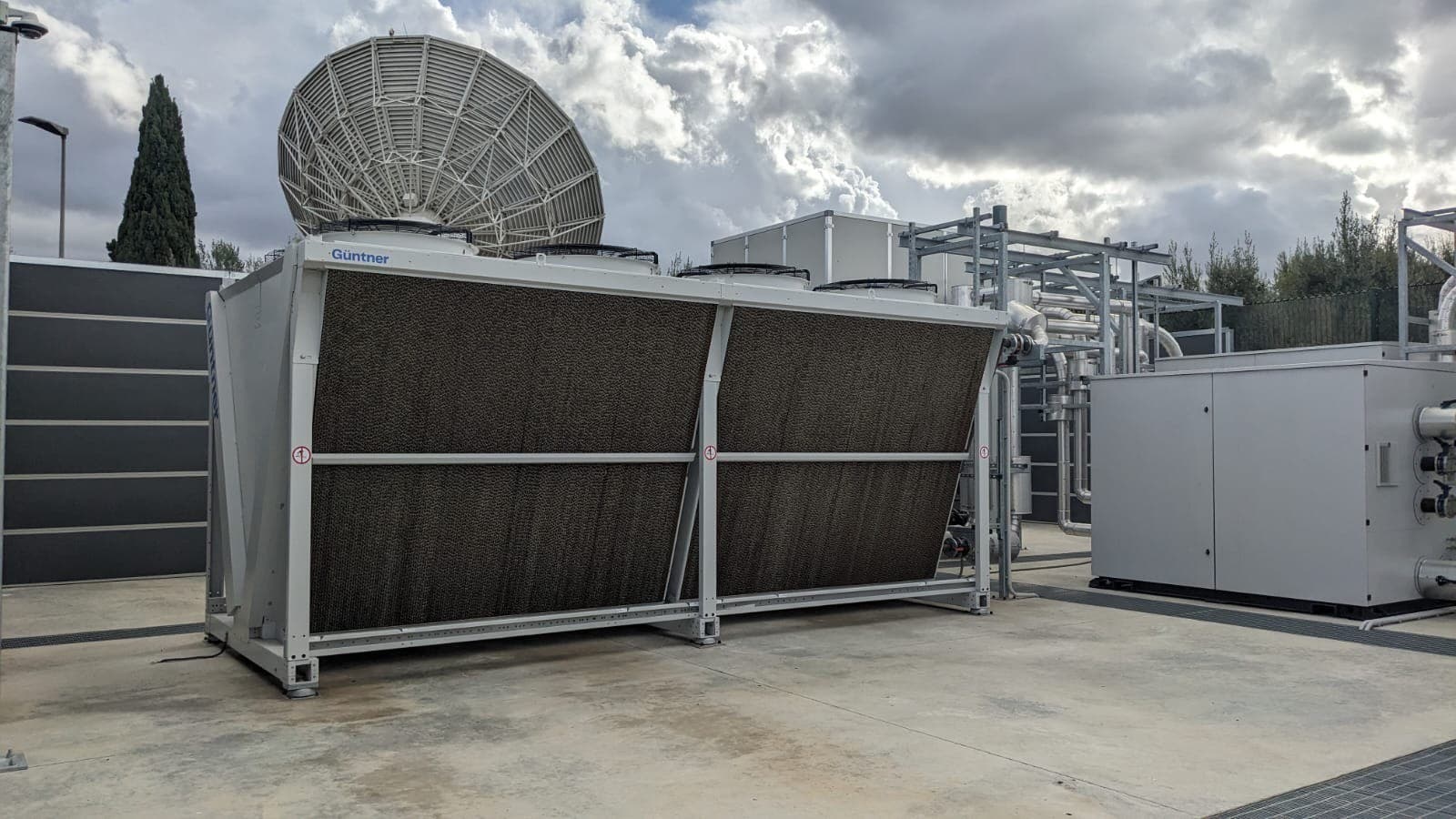
As with any concentration of servers and other technologies, Space HPC requires a specialized cooling solution. Overheating can cause hardware malfunctions, performance slowdowns, and expensive downtime. The ESA chose direct-to-chip liquid cooling for the Space HPC cluster’s main cooling method, an approach pioneered by HPE and essential for managing the high heat density generated by the latest high-performance systems. Additionally, the Space HPC cluster is hosted in an AI Mod POD, a Modular Data Center solution from HPE, designed for high-performance requirements and energy requirements. It natively supports high density, direct liquid cooled cabinets with up to 400kW heat dissipation, as well as providing other energy efficiencies through its compact and efficient nature.
HPE turned to Güntner for the main heat rejection component of the direct liquid cooled water loop. The main challenges we needed to address were:
- Energy use. This was crucial. The Space HPC was developed to be as energy-efficient as possible, using solar power generated onsite for half its energy needs.
- Water usage. Traditional evaporative cooling solutions use huge amounts of water.
- Climate. Temperatures in Rome can reach 45C during the summer months.
- Footprint. The Space HPC has a compact design, and space is at a premium.
- Noise. Local noise regulations and the fact that the Centre for Earth observation is in a quiet, residential area mean that noise reduction is paramount.
The perfect solution
Güntner’s solution was the Güntner V-shape VARIO Dry Cooler with hydroBLU™ adiabatic cooling system. This addressed all of the challenges:
- It uses up to 30% less energy than comparable cooling systems.
- It only uses water when a pre-set threshold is reached, resulting in consumption savings of around 30%.
- Operation at high ambient temperatures is ensured at the lowest possible energy consumption.
- The V-shape design offers maximum capacity with a minimal footprint.
- Güntner’s fans are manufactured for optimal air and sound level properties.
- Additionally, the AI Mod POD from HPE provides industry-leading Power Usage Effectiveness (PUE) for further operational gains and energy reporting.
The project was a key milestone for Güntner. Our products were chosen to ensure the reliability of systems that are pushing the boundaries of Europe’s space activities.
The power of collaboration
Thanks to its new supercomputer, ESA can now deliver faster, more accurate climate and space weather forecasts, better plan space launches, and support more AI-driven collaborations with public sector and private partners. As a result, it is strengthening Europe’s competitiveness in space innovation while helping the continent to respond more quickly to environmental challenges such as rising temperatures and sea levels.
As the agency itself has said: “ESA constantly faces and overcomes technical hurdles as we pioneer new technologies to help us answer scientific questions that have never been addressed before.”
Güntner is proud to have played a role in making the Space HPC a reality.
It was great to collaborate with two leading innovators. And also very satisfying that Güntner was able to deploy its own innovative cooling technology as part of this very important project.
Explore
CASE STUDY
Meat Processing, UK
CASE STUDY
High-bay Storage, South Korea

CASE STUDY
Data Center Engine Cooling, UK and Germany
CASE STUDY
Dairy Production, China
CASE STUDY
Retail, South Korea

CASE STUDY
Heat Pumps, UK

CASE STUDY
Geothermal Energy, Slovakia
CASE STUDY
Renewable Energy Storage, Italy
CASE STUDY
Green Aviation, China
CASE STUDY
Shopping Center, Vietnam

CASE STUDY
Pet Food, UK
CASE STUDY
Cut Flowers, Middle East