High Performance And Low Impact When The Heat Is On
Natural refrigerants such as CO2 are the future of refrigeration and cooling. They produce little or no greenhouse emissions and are future-proofed against regulation and costly refits.
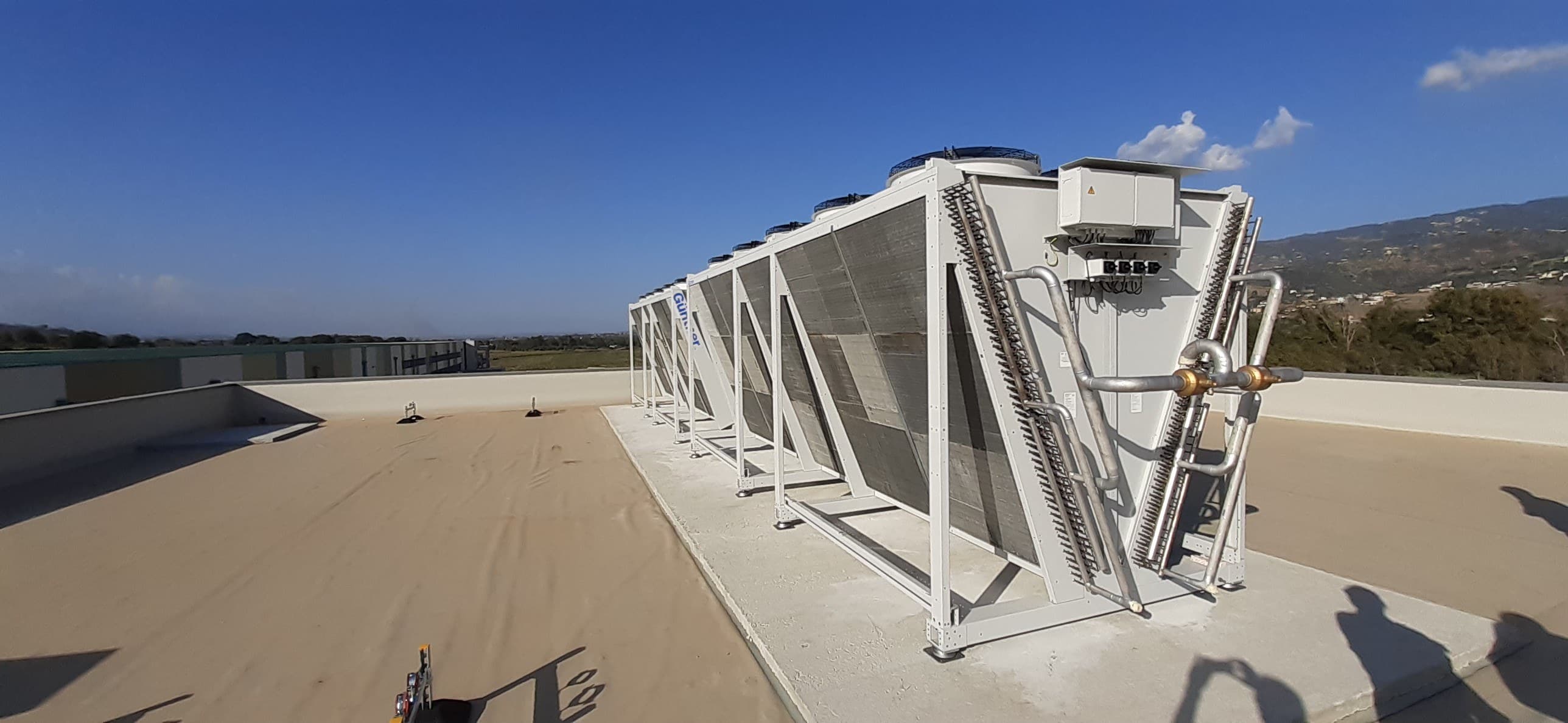
But in hot climates, CO2 systems face a challenge. As the temperature rises, energy use increases and efficiency can be reduced. But as Güntner recently demonstrated at a new, 49,000m2 logistics center in Montalto Uffugo in southern Italy, these issues can be mitigated by the application of innovative technology and creative thinking. “It was an ambitious project,” says Stefano Vidal, Güntner’s Area Manager for Southern Europe.
We had to find a way to combine natural refrigeration, sustainability and high energy efficiency under extreme climatic conditions.
Meeting the challenge with innovation
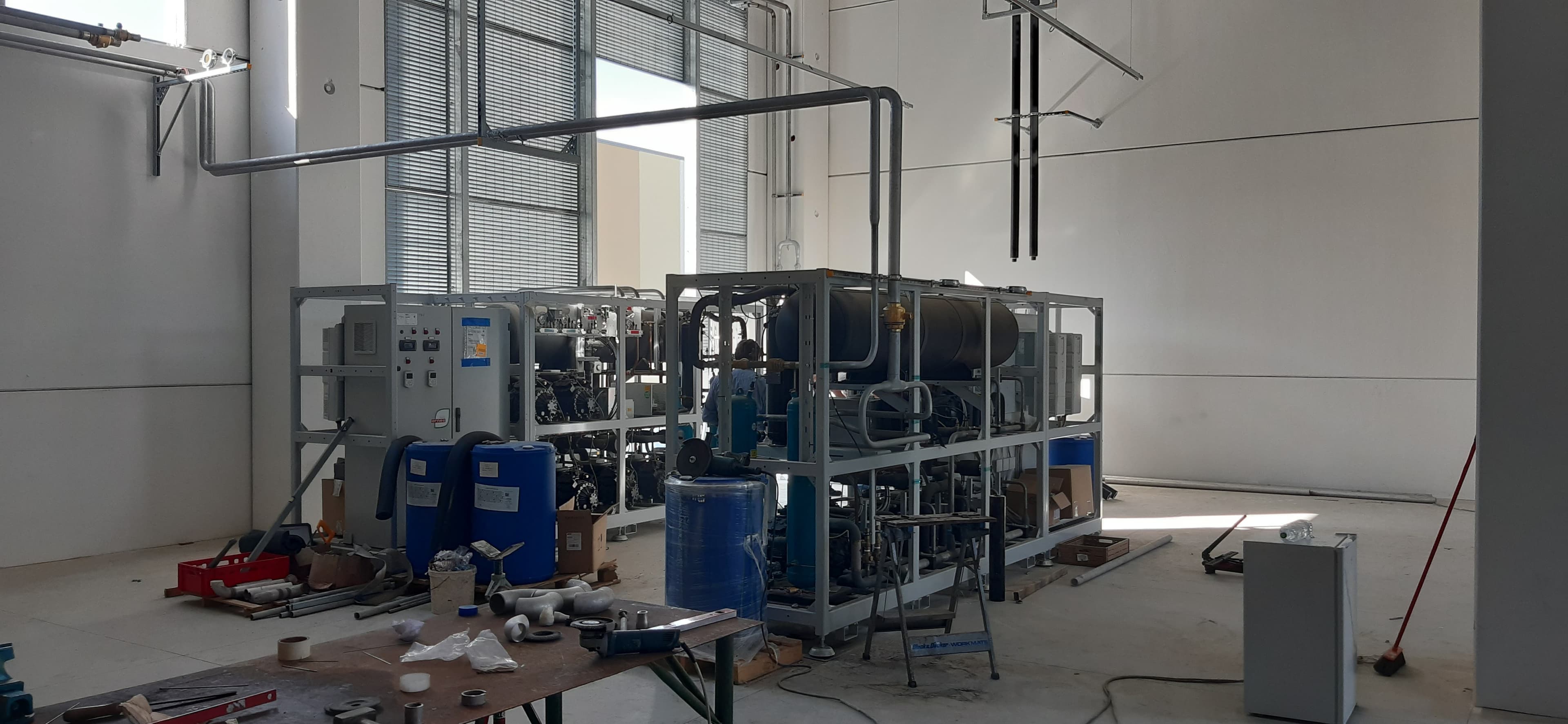
Refrigeration contractor Arneg and Güntner together devised a carefully selected set of solutions for a site where summer temperatures can reach 42°C. One of the most impactful strategies was to replace traditional electric defrosting with a hot glycol system, specifically for the meat and fish cold rooms.
Güntner is a world expert in the defrost process. At our HQ in Germany, we have a purpose-built defrost laboratory that has given us an in-depth knowledge of the ecosystem of a cold room.
That meant we could approach this project with confidence. We knew that the use of glycol, together with Güntner technology, would bring significant positive, measurable impact.
Designed for impact
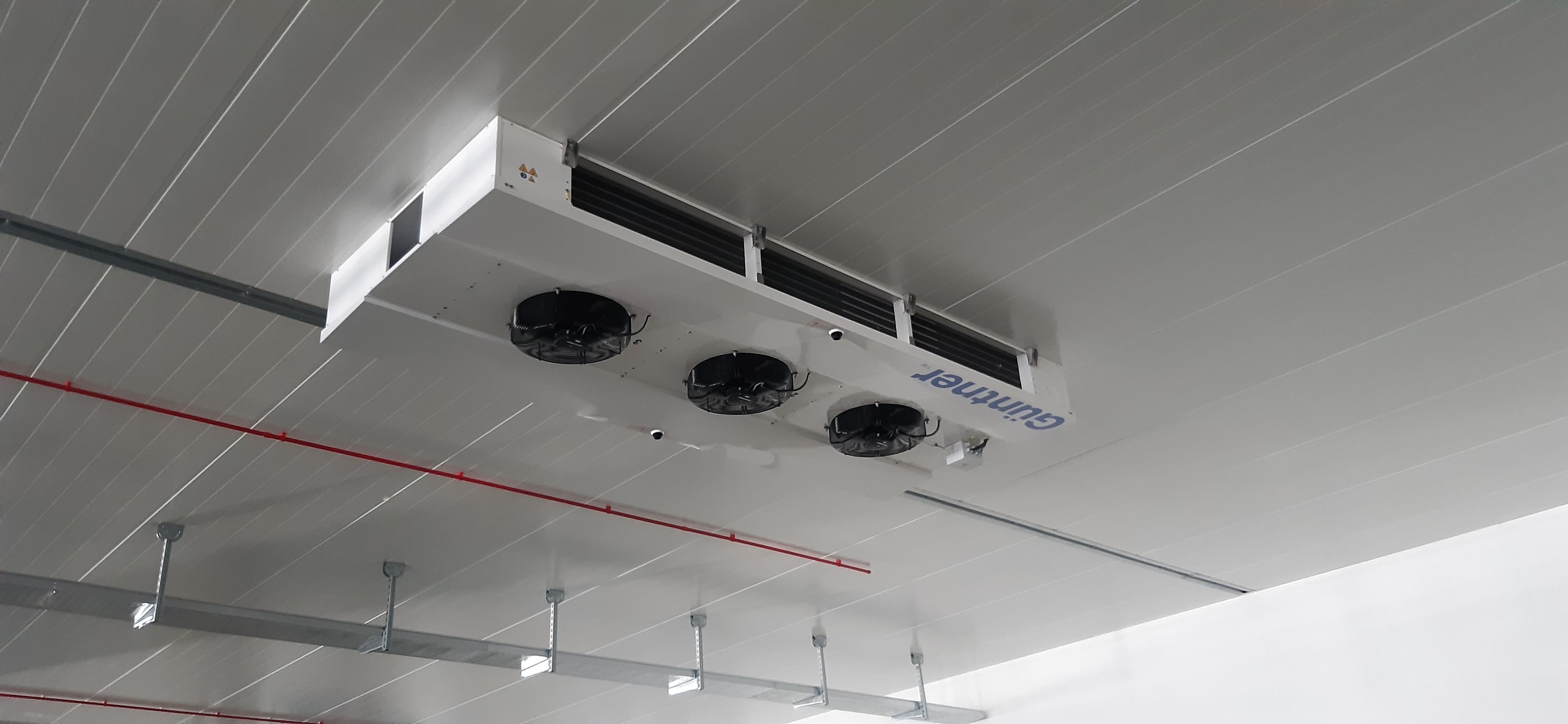
The system devised by Arneg and Güntner uses four Güntner V-shape VARIO Gas Coolers with aicore™ controller, 40 Dual VARIO Air Coolers and 18 Cubic VARIO Air Coolers. The key benefits of the system include:
Virtually energy-free defrost: The glycol is heated using waste heat recovered from the CO2 refrigeration plant – no additional electrical input is required. Efficiency and sustainability are the name of the game.
Full operational performance using natural refrigerants: The V-shape VARIO is optimized for use with natural refrigerants. And as this project shows, it can function efficiently even in hot conditions.
Reduced energy consumption for cooling: The variable speed control on the air cooler fans reduces both direct and indirect energy consumption while maintaining uniform cold air distribution throughout the cold areas.
Low wear and tear: Transcritical CO2 systems place considerable stress on system components as thermal demands rise, but this solution reduces the load on the evaporators thanks to higher performance. Güntner products are also built to last from high-quality, robust materials. “This solution is a perfect example of how energy that would otherwise be wasted can be reintegrated into the system to serve a critical function – efficiently and sustainably,” says Vidal.
Measuring the success
Technical analysis by Arneg has revealed impressive environmental and economic benefits as a result of this ground-breaking project:
- Approximately 102,000kWh/year savings in electricity thanks to the glycol defrost system
- Estimated cost savings of €20,000/year.
- Avoidance of CO2 emissions of 26,115kg/year, the equivalent of 100 people taking a 2,000km return flight.
- Strikingly low Specific Energy Consumption (SEC), which is the amount of energy used per unit of stored or handled product.
The power of partnership
“We chose to work with Güntner because of their strong reputation for reliability, innovation, and technical expertise in refrigeration and heat exchange technologies,” says Enrico Zambotto, Technical Engineering Director Refrigeration Systems, Arneg. “Their commitment to sustainability and continuous improvement perfectly aligned with our own goals for this project.”
Thanks to Arneg and Güntner’s partnership, the end customer is now enjoying exceptional energy performance. The SEC value measured by Arneg is 13kWh/ton, compared to the benchmark value of 45kWh/ton for this location.
In other words, the plant operates at one-third the energy intensity suggested by the literature for similar climatic conditions. A truly remarkable result.
“Energy efficiency is no longer a nice-to-have, it’s a business-critical priority in industrial refrigeration,” says Vidal.
A vision of the future
Most significantly, this project points the way forward for the efficient use of CO2 in warm regions.
“By successfully implementing natural refrigerants in a high-temperature environment, we have demonstrated that environmental responsibility and high performance can go hand in hand,” says Zambotto with pride.
This is a meaningful contribution to the global transition towards greener, more energy-efficient technologies.
Explore
CASE STUDY
Meat Processing, UK
CASE STUDY
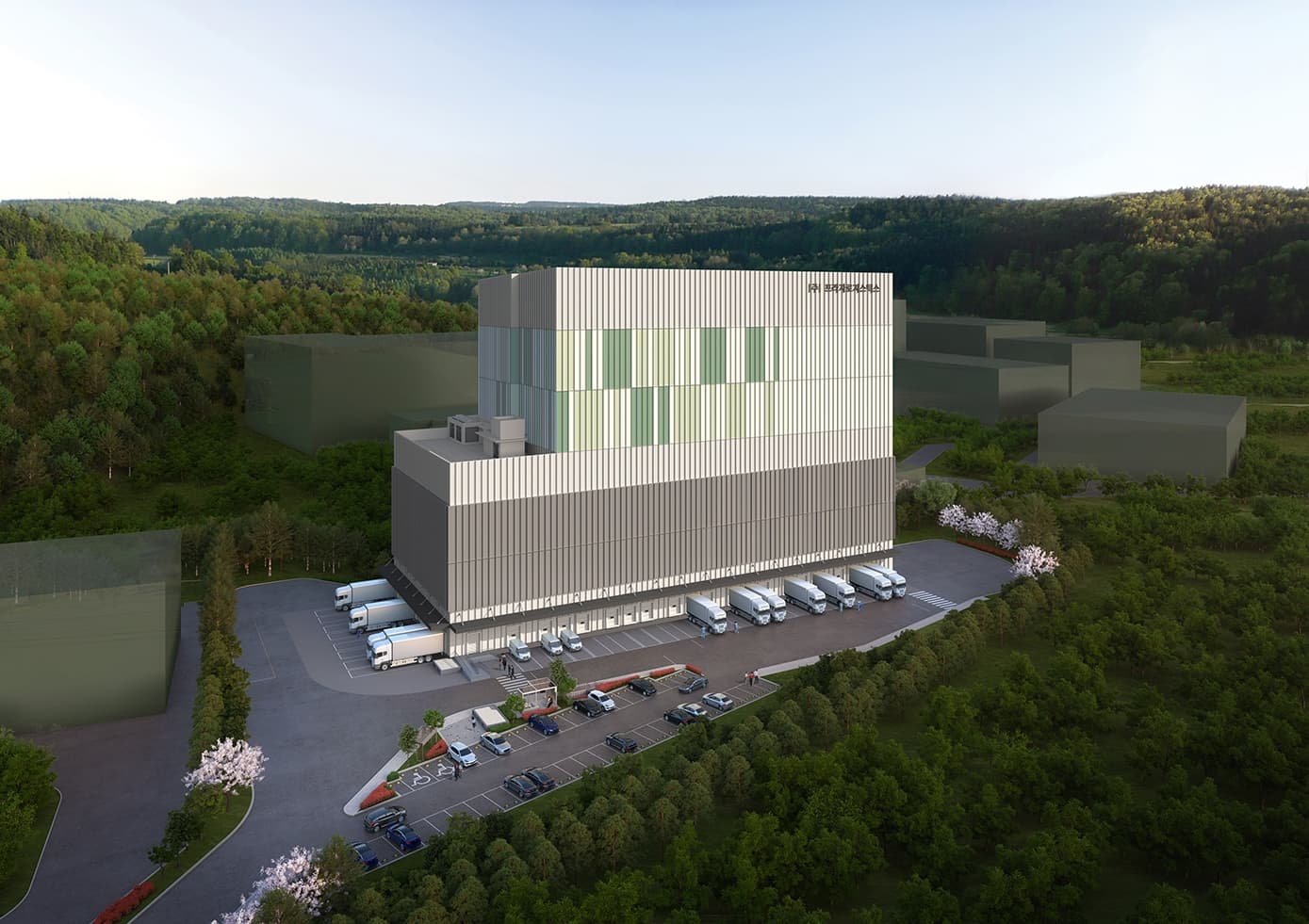
High-bay Storage, South Korea
CASE STUDY
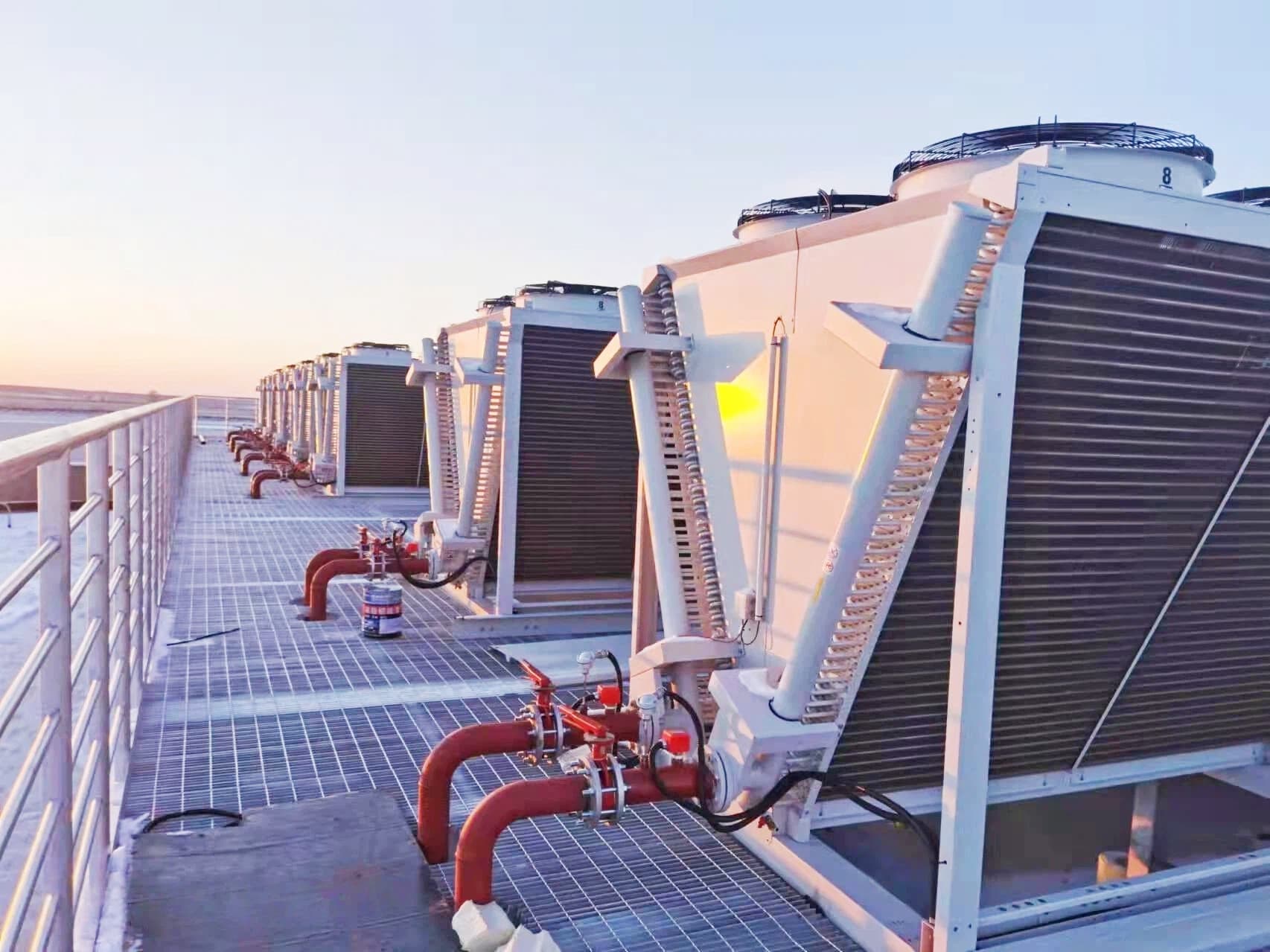
Dairy Production, China
CASE ESTUDY
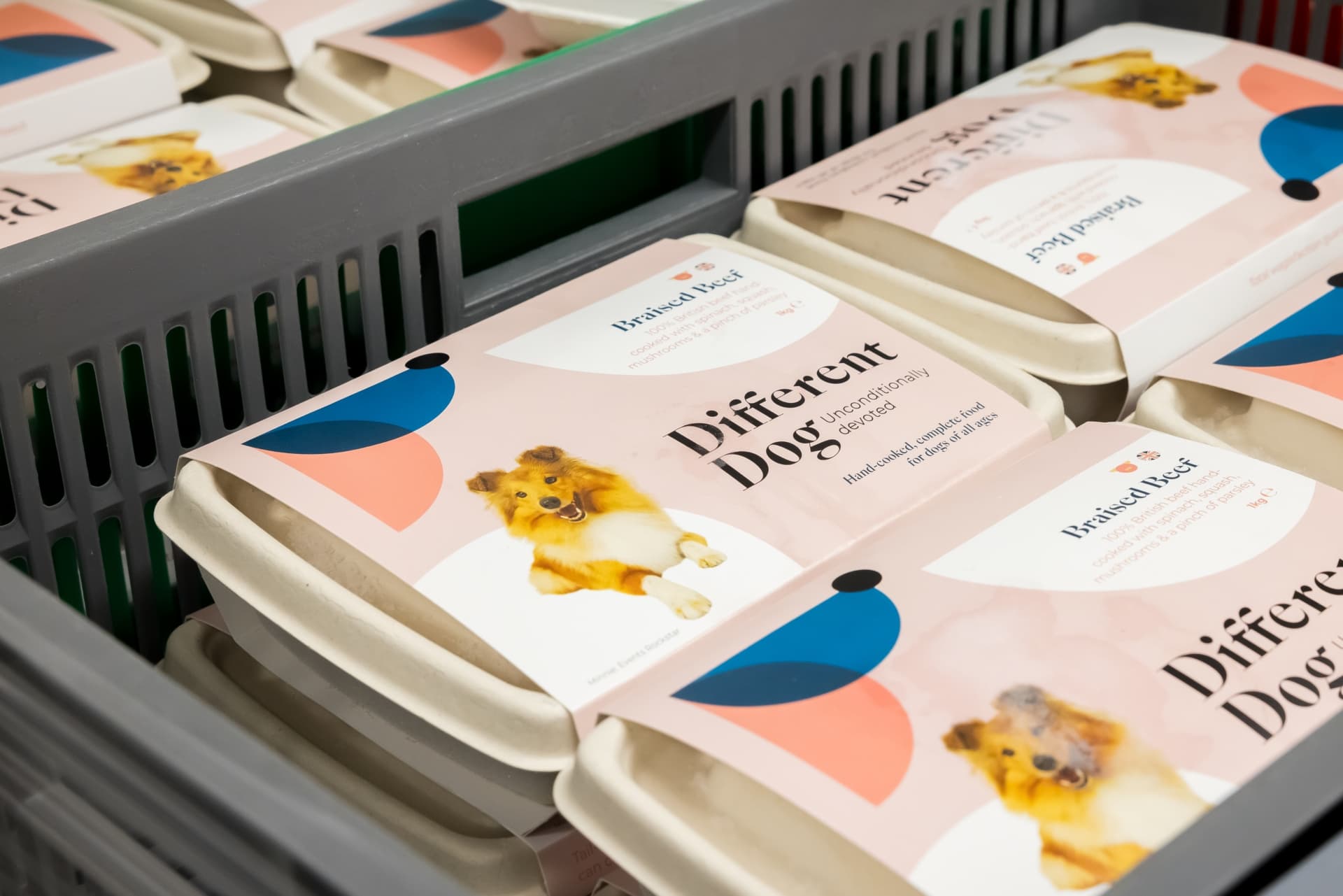
Pet Food, UK
CASE ESTUDY
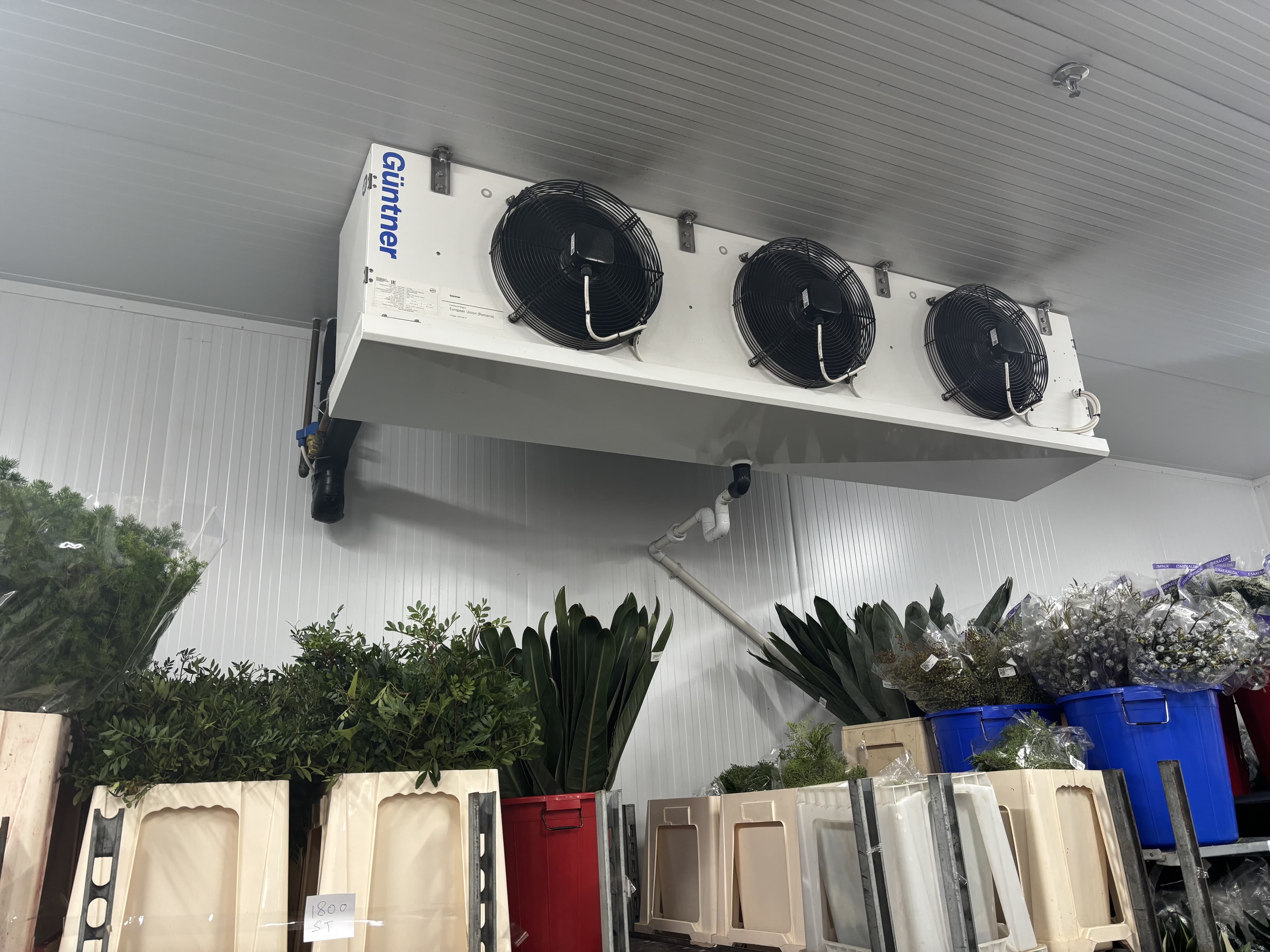
Cut Flowers, Middle East
CASE STUDY
Montalto Uffugo, Italy
CASE STUDY
Garlic, Brazil

CASE STUDY
Bakery Products, Europe

CASE STUDY
Cotton, Brazil

CASE STUDY
Mangoes, Brazil

CASE STUDY
Banana Ripening, China
CASE STUDY
Distribution Centers, USA