What 2026 Holds for Cooling, Refrigeration, & Data Centers

From growing scrutiny around refrigerants and water use to the rapid expansion of data centers and cold chain infrastructure, the challenges shaping cooling system design have become more complex and interconnected. At the same time, 2025 made one thing clear: incremental improvements are no longer enough. The industry is entering a phase where smarter controls, integrated system thinking and measurable sustainability outcomes will define success.

Looking ahead to 2026, these pressures are expected to intensify. Regulatory momentum around high-GWP refrigerants will continue, energy and water constraints will increasingly influence infrastructure investment and customers will demand greater transparency and accountability from their technology partners. Cooling should no longer be viewed as just a utility, but as a strategic tool for decarbonization, operational reliability and long-term cost control.
Miguel Garrido, Executive President USA, and Alex Schafer, Director of Sales - Climate Solutions, share their perspectives on the key trends expected to shape the industry across various businesses including commercial and industrial refrigeration, cold chain applications, and data centers in 2026. These insights reflect real-world experience, customer conversations and emerging technologies that are already gaining traction, offering a forward-looking view of where cooling is headed next.
Cooling and Refrigeration Industry Predictions for 2026

1. Ice batteries will emerge as the next major decarbonization tool in cooling.
Heat exchange capacity: The amount of heat Ice-based thermal energy storage will gain momentum as utilities and building owners look for new ways to manage peak energy demand and lower emissions. While not a replacement for all cooling systems, ice batteries are emerging as a complementary technology that can help facilities store “cooling energy” overnight and draw on it during high-demand hours. For HVACR manufacturers and engineers, the opportunity lies in integration: developing equipment and controls that can work seamlessly with energy storage systems. Expect pilot projects in commercial and district applications to expand in 2026 as facilities rethink their decarbonization strategies.

2. Cooling efficiency will dictate where the next wave of data centers are built.
Energy and water considerations will outweigh tax incentives in data center site selection. Operators will favor regions with temperate climates, renewable grid access, and strong water-reuse infrastructure — all critical to achieving sustainability targets. As data center energy consumption continues to rise in certain regions, efficient cooling will become both a design priority and a broader policy consideration.

3. Natural refrigerants will start increasingly becoming the default as regulations tighten.
Ammonia, CO₂, and hydrocarbon refrigerants will continue moving from niche to mainstream as phaseouts of high-GWP gases accelerate. In 2026, more manufacturers and system designers are expected to prioritize low-impact refrigerants that balance performance, safety, and regulatory compliance. Momentum is building as companies look to follow regulations, future-proof operations, and demonstrate environmental leadership. The focus will increasingly turn to practical challenges — from technician training to standardized safety protocols — that will determine how quickly natural refrigerants scale across markets.

4. Water savings will rival energy efficiency as a key sustainability priority.
After years of droughts and tightening water restrictions, companies are rethinking how much water their operations use — especially across the western U.S. and parts of Europe. Cooling systems will increasingly be judged by their energy and water efficiency. Efficiently. Industrial sites and data centers are expected to start tracking and publicly sharing water metrics alongside energy use, driving new ideas in recirculation, filtration, and smart monitoring. As sustainability goals broaden, water saving will become the next major benchmark for responsible system design.
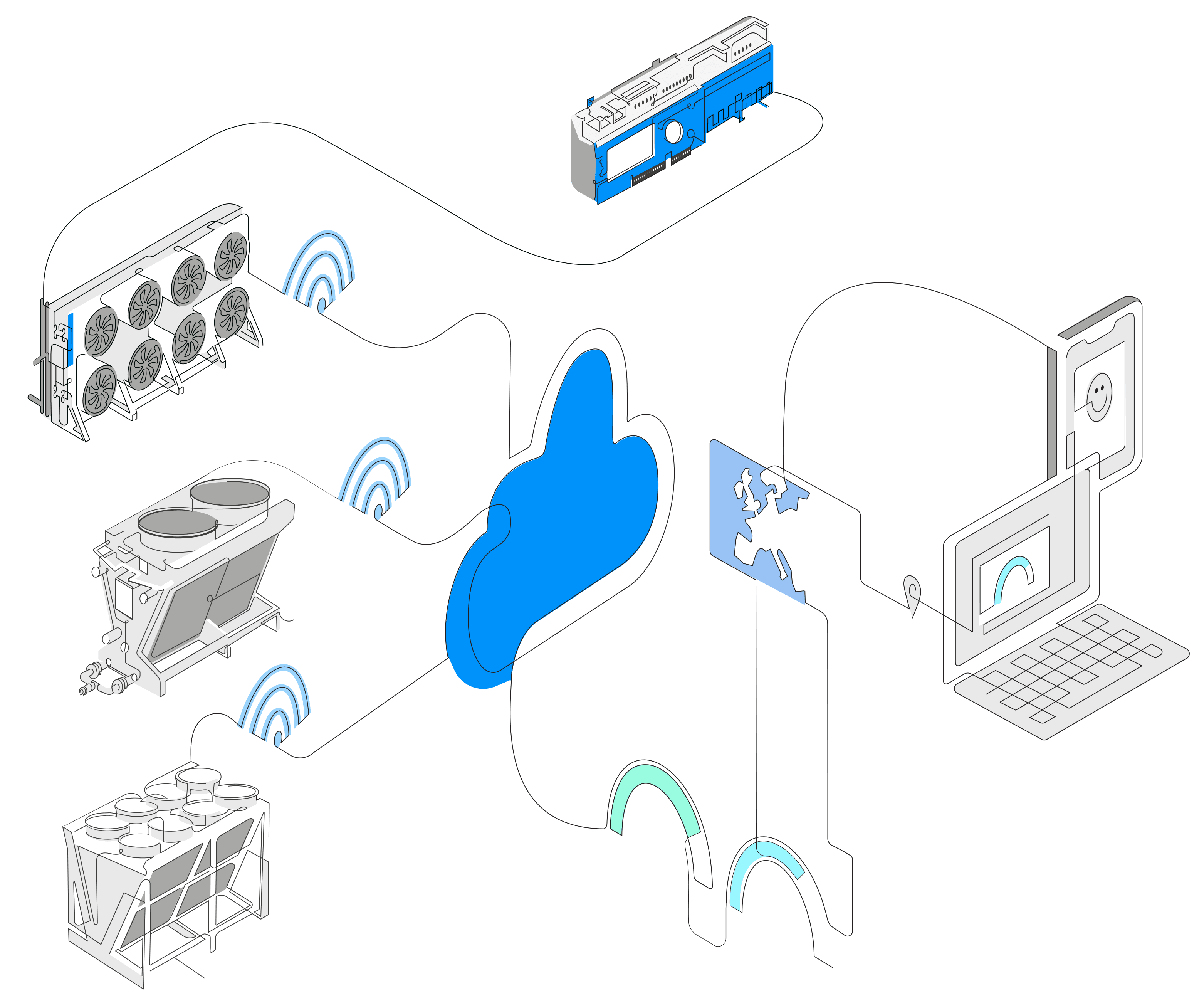
5. Predictive maintenance will shift from optional to a standard operational requirement.
As connected sensors and analytics platforms improve, predictive maintenance will move from “nice-to-have” to “non-negotiable.” Operators will look for systems that flag potential issues early, adjust performance automatically, and help avoid costly downtime. This is especially true in sectors like data centers and cold storage, where even short interruptions can be expensive. The focus will shift from reacting to problems to preventing them altogether, with data insights guiding everyday maintenance and efficiency decisions
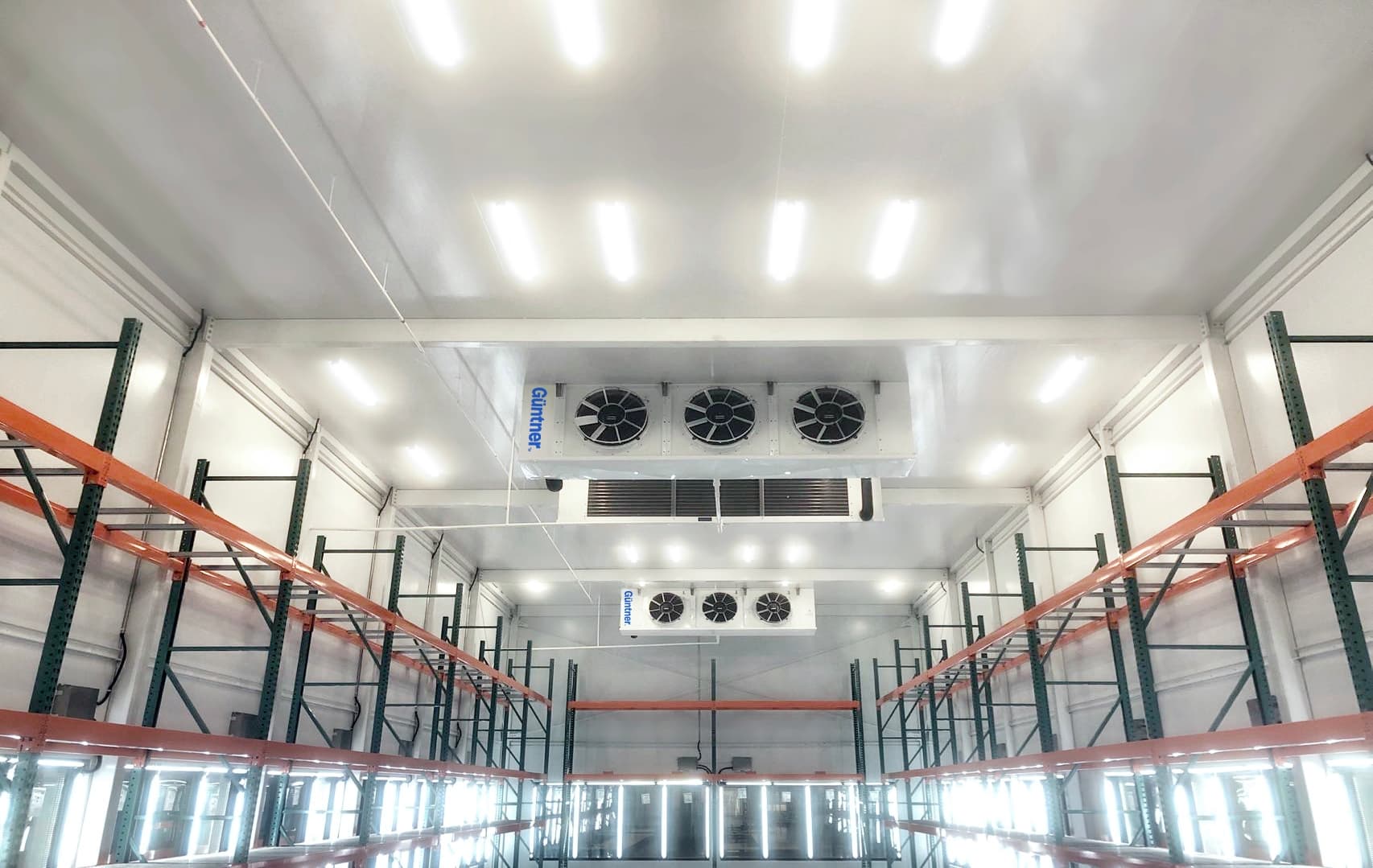
6. Cold chain resilience will move higher on the policy agenda.
Extreme weather and supply chain disruptions will continue to expose how vulnerable cold storage infrastructure can be. Expect a stronger push for systems that can maintain operation during power outages and extreme weather — with a focus on redundancy, energy flexibility, and tighter temperature control. Governments and companies alike will begin treating cold storage as an essential infrastructure, where reliability and efficiency are key to national resilience.

7. Environmental, Social, and Governance (ESG) transparency will influence every buying decision.
Transparent reporting will become standard for competitive bids and a key differentiator for manufacturers that can provide it. While uncertainty remains around how aggressively the EU will continue to advance ESG requirements, the rest of the world is expected to accelerate adoption over the next five years. As disclosure expectations expand globally, suppliers will face growing pressure to verify claims with measurable results, not just pledges. The companies that can trace sustainability through their full business will set the new benchmark for responsible manufacturing.
Looking Ahead to 2026
As cooling, refrigeration, and data center infrastructure face rising regulatory, resource, and performance pressures, system design decisions are becoming more consequential. Efficiency, resilience, and transparency now shape how facilities plan, invest, and operate across markets. The organizations that succeed in 2026 will be those that treat cooling systems as essential.