Planning for Adiabatic Cooling in Data Centers
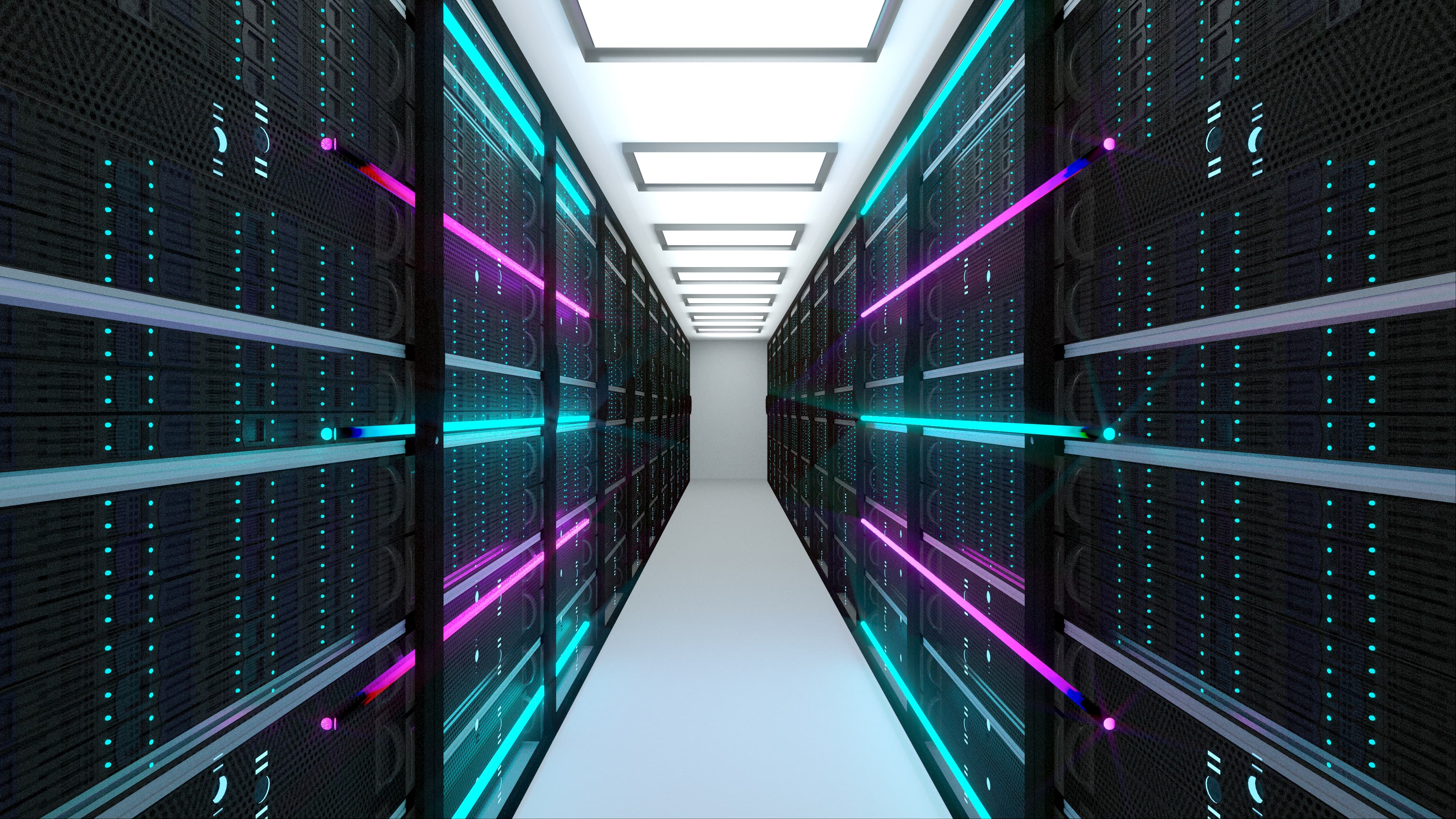
Data centers typically remain out of view to the online public, but they form the physical foundation of our digital world, powering everything from email and cloud computing to social media and streaming services.
With the exponential growth of data usage and storage needs, concerns about energy consumption and environmental impact have become increasingly urgent. In response, data center operators are pursuing solutions that offer greater efficiency and sustainability without compromising profitability. One such solution is adiabatic cooling.
This article explores the principles of adiabatic cooling and its role in data center planning.
WHAT IS ADIABATIC COOLING?
Adiabatic cooling uses the principle of evaporative cooling to lower air temperatures without relying on mechanical refrigeration. Unlike traditional cooling methods that depend on energy-intensive compressors, adiabatic systems harness the natural properties of water to remove heat from the air.

As water evaporates, it absorbs latent heat, lowering the surrounding air temperature. The cooled air is then circulated through the data center, effectively dissipating heat generated by IT equipment.
Some hybrid products, such as the High Density Adiabatic Dry Cooler, can operate as either traditional dry coolers or wet, adiabatic systems depending on conditions. This hybrid design allows for flexible operation, automatically switching to the most efficient mode based on preset thresholds, ambient temperatures, and water or energy consumption.
THE BENEFITS OF ADIABATIC COOLING
As data centers look to balance performance with sustainability, adiabatic cooling offers a range of practical advantages worth considering.

Energy Efficiency: Adiabatic cooling consumes significantly less energy than traditional mechanical systems, resulting in lower operational costs and reduced environmental impact. By optimizing efficiency based on ambient air and water, data centers can achieve meaningful energy savings without sacrificing performance.
Scalability: Adiabatic systems are flexible and can adapt to changing workloads and environmental conditions. In facilities where a compact coil footprint is important, configurable designs allow for seamless expansion, supporting future growth without the need for major infrastructure upgrades.
Smart Automatic Controls: With intelligent systems like aicore™ controls, a Güntner adiabatic cooling system provides continuous monitoring and precise control over temperature and humidity. As ambient conditions shift, these smart controls help prevent thermal hotspots and extend the life of critical IT hardware.
- Sustainability: As international regulations evolve and environmental concerns increase, adiabatic cooling offers a proactive, sustainable alternative to conventional technologies. By minimizing both energy and water use, data centers can lower their carbon footprint and contribute to broader climate initiatives.
CONSIDERATIONS FOR DATA CENTER PLANNING
With their flexibility, efficiency, and environmental advantages, adiabatic systems are an increasingly popular choice for data center planners. However, several key factors should be considered to ensure optimal performance and reliability.

Climate and Location: The effectiveness of adiabatic cooling depends on local climate conditions, including temperature, humidity, and air quality. Data center planners must assess environmental factors and trends to determine the suitability of adiabatic cooling for their specific geography.
Water Availability: Now and in the future, water availability is a critical consideration when planning a data center. Compared to a traditional water-cooled system, a hybrid adiabatic system uses up to 90% less water.
Regulatory Compliance: Compliance with local regulations and environmental standards is essential. A hybrid adiabatic system enables flexibility and efficiency with the intention of proactively preparing data centers for more stringent future regulations.
- Routine Maintenance: While maintenance is inevitable, Güntner’s adiabatic systems are designed to reduce downtime and simplify service. For example, Güntner hydroBLU™ adiabatic pads dry during regular operation, eliminating the need for disinfection or harsh chemical treatments. Additionally, fans can be reversed or adjusted to dislodge debris, supporting long service life and improved sustainability.
ADIABATIC COOLING IN ACTION
Adiabatic cooling is already transforming the way businesses approach IT infrastructure. Below are real-world examples of how Güntner systems are delivering results:
SAVING ENERGY AND WATER IN CRYPTO MINING
In Texas, where energy is abundant but water is scarce, crypto miners needed a cooling system that used water as efficiently as possible. Güntner’s hydroBLU™ pads, controlled via smart sensors, continuously monitor water application, fan speed, and ambient air temperature—meeting heat rejection needs while conserving utility resources.
A PIONEERING COOLING SOLUTION FOR CLOUD COMPUTING
In northern China, Güntner is part of a cutting-edge cooling strategy. While servers are immersion-cooled in a non-conductive liquid, Güntner hybrid fans manage the resulting heat, switching seamlessly between dry and adiabatic modes based on current load and temperature.
A SUSTAINABLE USE FOR EXCESS SERVER HEAT
In southern Sweden, Güntner helped implement a system that captures excess server heat and redirects it to heat nearby municipalities, demonstrating how smart design can extend energy efficiency beyond the data center itself.
SMARTER COOLING STARTS WITH THE RIGHT PARTNER
Adiabatic cooling offers a powerful, future-ready solution for data centers aiming to reduce costs, optimize performance, and meet rising sustainability standards. With advanced controls, scalable designs, and efficient water and energy use, Güntner’s technology helps data centers operate more reliably and responsibly.
If you’re planning a new facility or looking to upgrade your existing cooling system, our team is here to help. Contact Güntner today to discuss the right adiabatic cooling solution for your data center project.