How Heat Exchanger Placement Impacts Refrigeration System Performance
Refrigeration systems perform best when every component is positioned with purpose. Placement decisions affect airflow behavior, heat transfer efficiency, maintenance access, and long-term operational stability. For engineers and consultants responsible for early-stage industrial refrigeration planning, the location of heat exchangers can determine how effectively a facility maintains temperature control and energy efficiency.
Thoughtful heat exchanger placement improves airflow distribution, protects equipment from environmental stress, and supports reliable thermal performance. Poor positioning can restrict airflow, increase energy consumption, and create uneven cooling conditions across storage or production environments.
Understanding how equipment location influences system behavior allows engineers to design refrigeration systems that operate consistently and efficiently across a wide range of applications.
Refrigeration System Design Considerations for Heat Exchange
Successful system planning begins with clear refrigeration system design considerations. Engineers must account for facility layout, airflow patterns, service access, and structural limitations before selecting equipment locations.
Air circulation within refrigerated spaces depends heavily on equipment positioning. When air coolers are installed in areas that disrupt airflow paths, temperature stratification can develop. Warm air pockets may form near ceilings or storage racks, while cooler zones remain concentrated near the equipment itself.
Designing with airflow movement in mind improves temperature stability across the entire space. Equipment placement should support consistent air movement while preventing obstructions caused by structural beams, storage systems, or building architecture.
External heat rejection equipment must also align with the surrounding infrastructure. Roof loading capacity, service access, and safe airflow discharge areas must be considered before installation begins. Early planning ensures the system integrates smoothly with the facility environment.
How Heat Exchanger Placement Influences Industrial Heat Exchanger Performance
Industrial heat exchanger performance depends on the ability to transfer heat efficiently between the refrigerant and the surrounding air. When placement restricts airflow or exposes equipment to unfavorable environmental conditions, thermal efficiency declines.
Condensers and gas coolers require adequate airflow to reject heat effectively. Units installed too close to walls or adjacent equipment may recirculate warm air, raising operating pressures and increasing the compressor workload. Strategic spacing around the unit allows fresh air to circulate freely, improving heat rejection.
Air coolers inside refrigerated spaces also rely on clear airflow paths. Fans must be able to move air evenly across coils and throughout the room. If equipment placement blocks circulation, cooling capacity becomes uneven, and energy demand increases.
Engineers improve system reliability by evaluating airflow paths before installation. Clear intake and discharge zones ensure heat exchangers operate within their intended performance range.
Dual
Air Cooler Installation Best Practices for Refrigerated Spaces
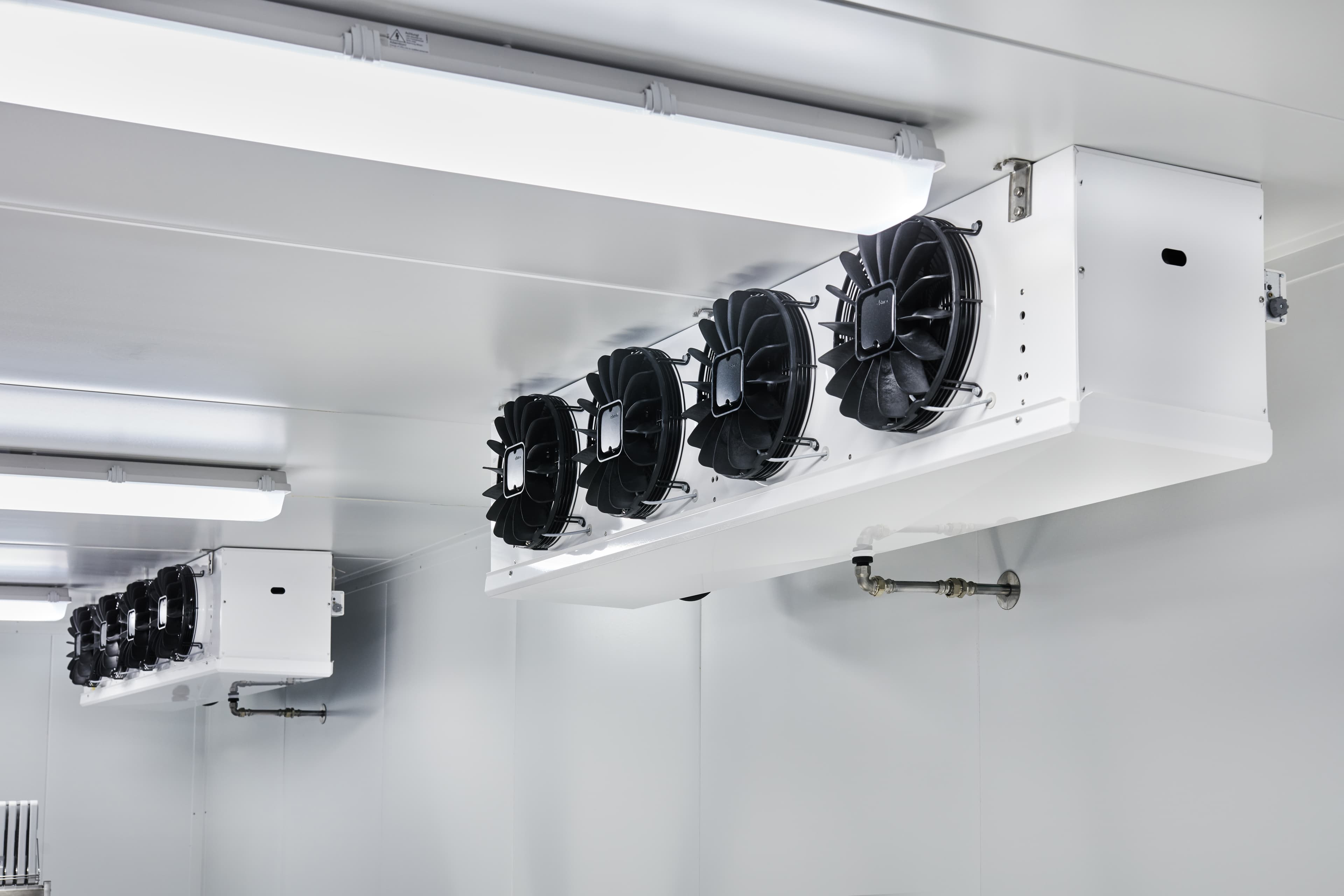
Inside refrigerated environments, careful attention to air cooler installation best practices supports stable temperature management and efficient airflow distribution.
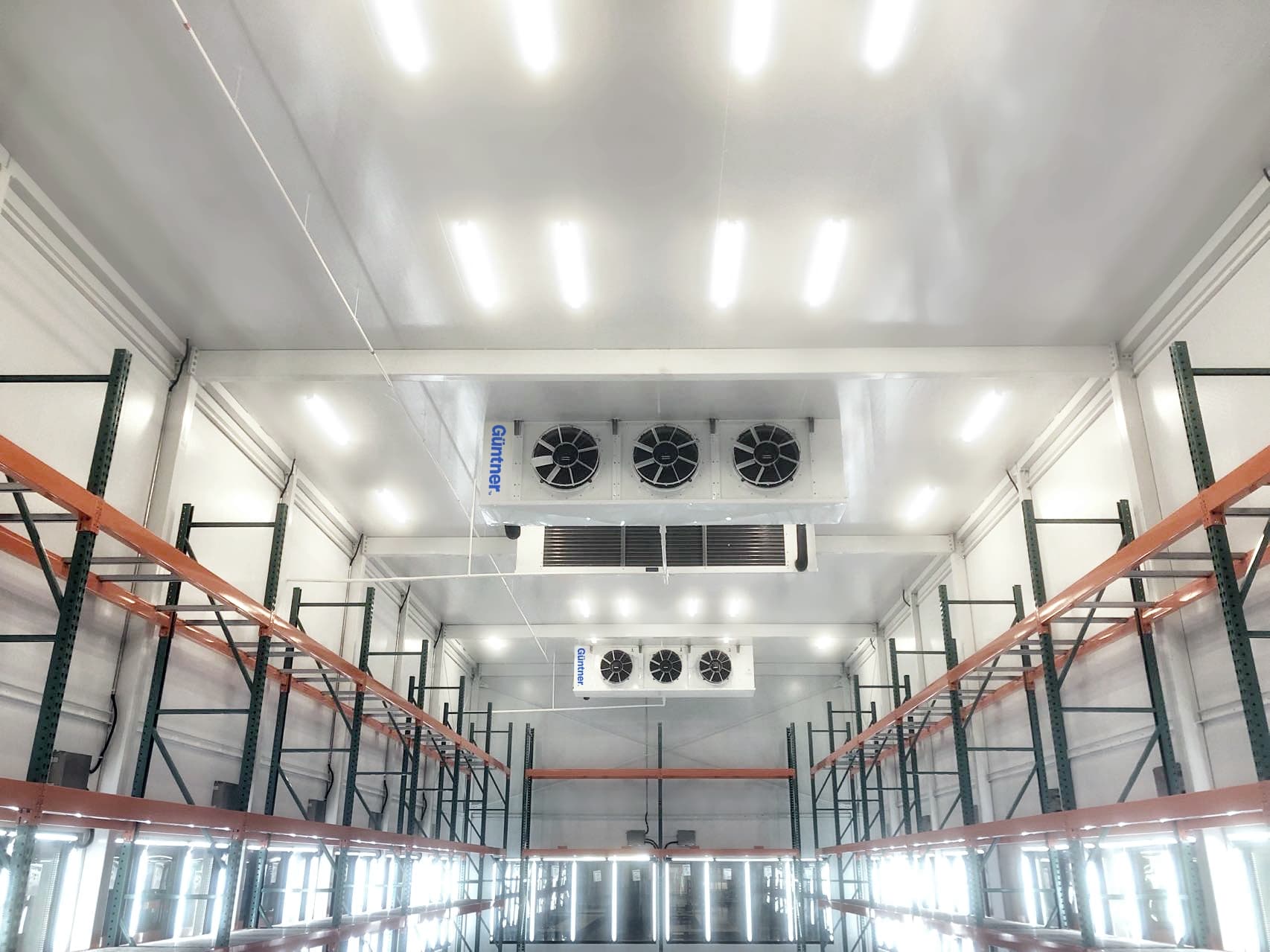
Air coolers should be positioned to encourage uniform air movement across the entire storage or processing space. Installing units near obstructions such as structural columns or high shelving can disrupt airflow patterns and reduce cooling effectiveness.
Mounting height also influences performance. When units are installed too close to ceilings, airflow circulation may be restricted. Adequate clearance allows fans to distribute conditioned air throughout the room, preventing temperature layering.
Engineers also evaluate service accessibility when determining equipment location. Maintenance tasks such as coil cleaning, fan inspection, and component replacement must be performed safely and efficiently. Designing sufficient access space reduces service interruptions and supports long-term equipment reliability.
Placement decisions that balance airflow efficiency with operational accessibility lead to stronger system performance over time.
Environmental exposure also affects performance. Locations with excessive dust, debris, or restricted ventilation may require protective design considerations. Engineers often position equipment to minimize exposure to prevailing winds, debris accumulation, or direct thermal discharge from nearby machinery.
Service access remains another important factor. Outdoor equipment must allow technicians to safely inspect fans, coils, and electrical systems. Placement strategies that combine airflow efficiency with safe accessibility improve long-term operational reliability.
Environmental and Structural Factors That Influence Heat Exchanger Placement
Environmental conditions and structural constraints influence equipment placement decisions in every facility. Engineers must consider how surrounding conditions affect system performance throughout the equipment lifecycle.
Ambient air temperature plays a major role in heat rejection efficiency. Installing condensers in shaded or well-ventilated areas can reduce thermal load and improve operational stability during peak temperature periods.
Structural design also affects placement. Roof-mounted equipment must align with building load capacity and vibration considerations. Ground-mounted installations require sufficient clearance to prevent airflow restriction from nearby obstacles or landscaping.
Facilities located in coastal or industrial environments may require corrosion-resistant materials or protective coatings. These environmental factors influence both equipment selection and placement strategy.
Addressing environmental conditions early in the design process helps protect equipment performance while extending operational lifespan.
Optimizing Heat Exchanger Placement with Güntner Engineering Expertise
Effective refrigeration design depends on engineering decisions made long before equipment is installed. Strategic placement of heat exchangers supports balanced airflow, efficient heat transfer, and dependable system performance.
Güntner works closely with refrigeration engineers and consultants to ensure cooling systems operate as intended within real facility conditions. Through detailed performance data, advanced modeling tools, and decades of engineering experience, the company helps partners design refrigeration systems that deliver reliable results.
Air coolers, condensers, and gas coolers developed by Güntner are engineered to support efficient installation, dependable operation, and long-term durability. Flexible product configurations allow engineers to align equipment design with facility layout, environmental conditions, and operational requirements.
With nearly a century of expertise in heat exchange technology, Güntner continues to support refrigeration professionals around the world. Collaboration during system planning helps ensure every installation delivers consistent performance and operational confidence.
Connect with Güntner to review your refrigeration system requirements and identify heat exchanger solutions that support efficient, reliable facility operation.